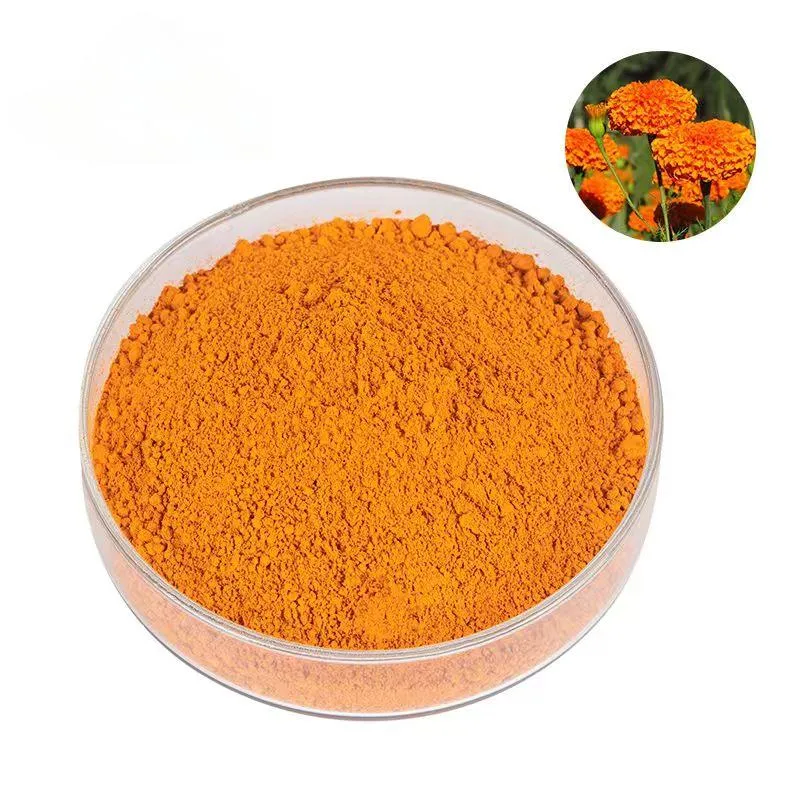
Zeaxanthin is a new oil-soluble natural pigment, widely found in green leafy vegetables, flowers, fruits, wolfberry and yellow corn. In nature, it often coexists with lutein, beta-carotene, cryptoxanthin, etc., and forms a carotenoid mixture. Zeaxanthin is an ideal preservative for natural food. Zeaxanthin can also be used as a natural food colorant because of its strong coloring ability.
Advantages of Zeaxanthin:
We have strong ability to Raw herb cultivation, extraction, granulation, customization, and finish your private labels. Most retailers have their own brand, they need customized supplements and packaging services. If you are seeking to a trusted manufacturer, we can promise you that adding your company name, creating your design or customized packaging services.
Specification:
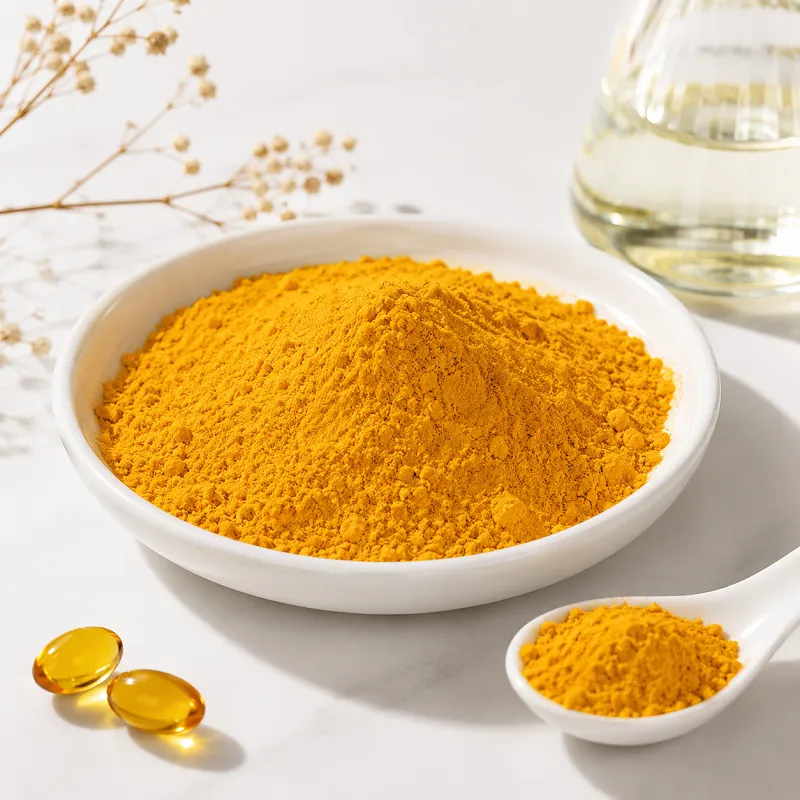
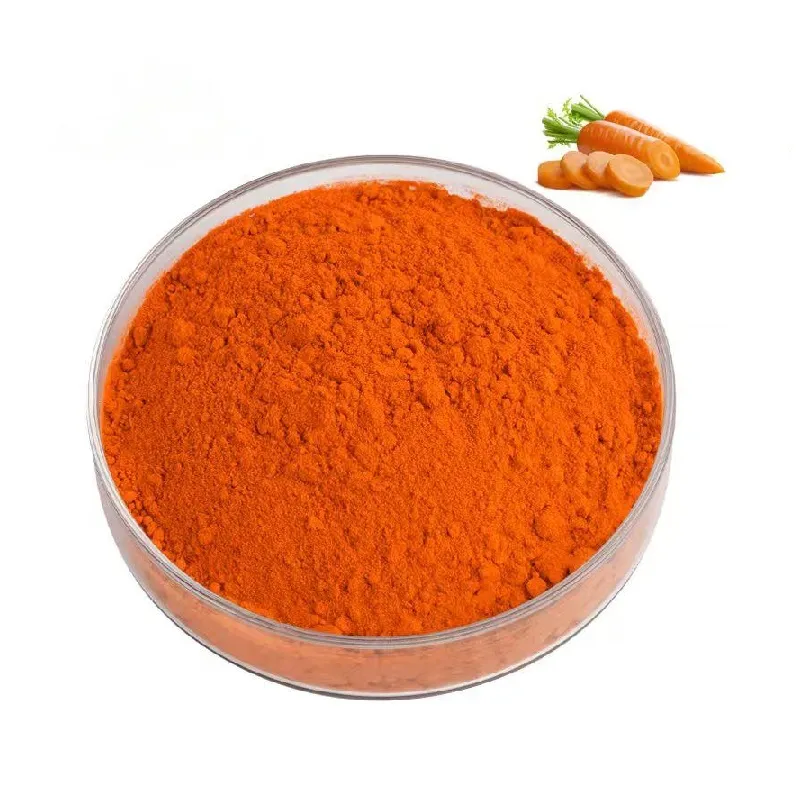
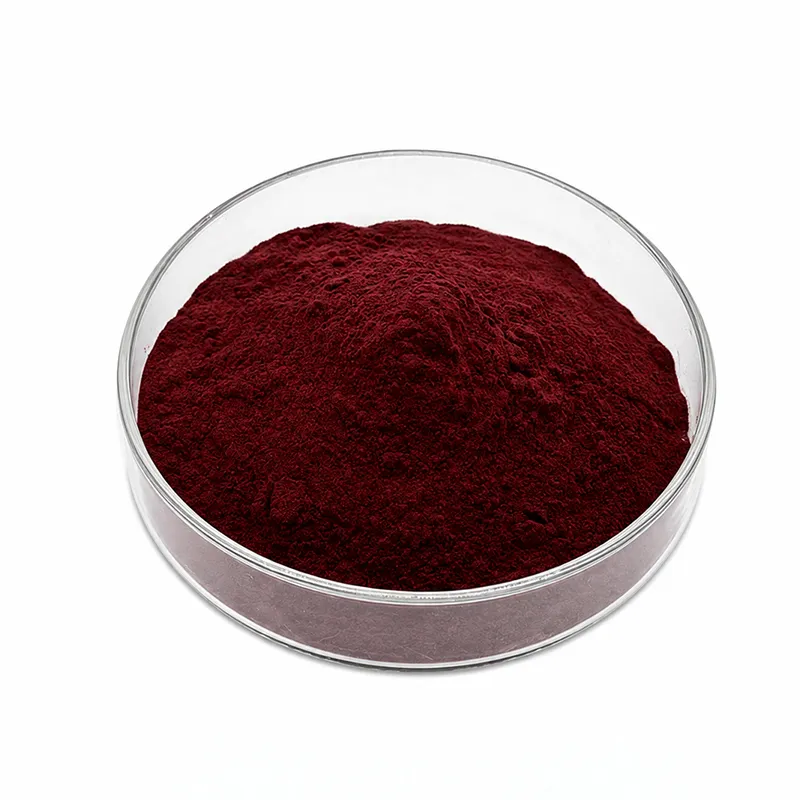
1) Powder: 5%~60%
2)Microcapsule powder: 5%, 10%, 20%
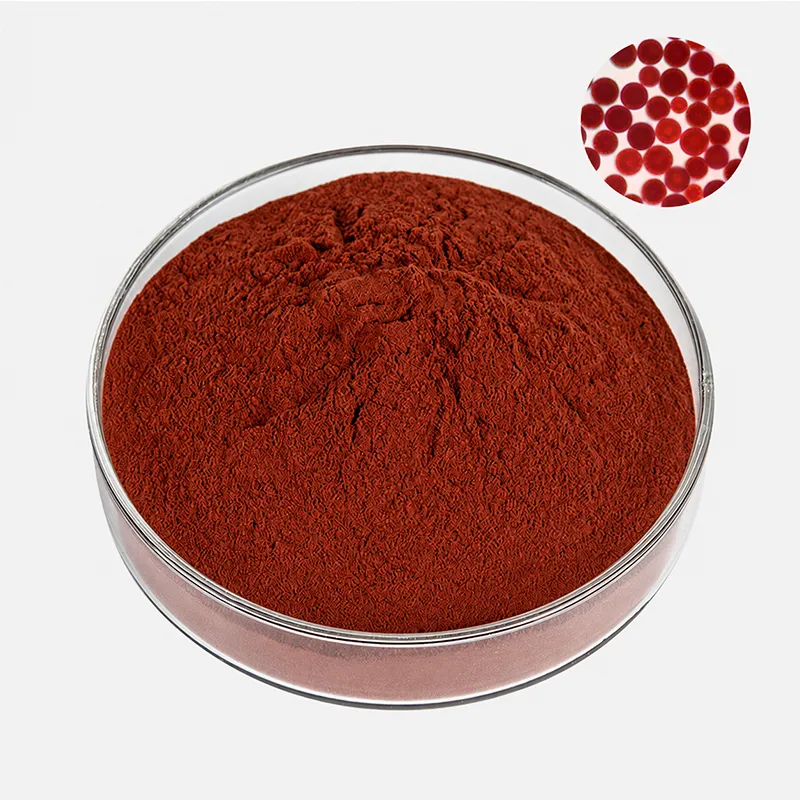
3) Beadlets: 5%, 10%, 20%
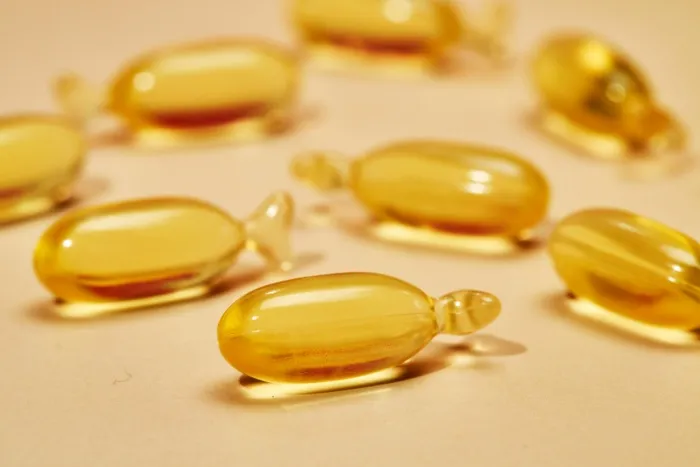
4) Oil suspension: 5%, 10%, 20%
Specifications of Zeaxanthin
Certificate of Analysis |
Product Name | Zeaxanthin |
Batch Quantity | 600kgs |
Storage Condition | Store in cool & dry place, Keep away from strong light and heat. |
| Items | Specifications | Results | Method |
Zeaxanthin | ≥10.0% | 10.4% | HPLC |
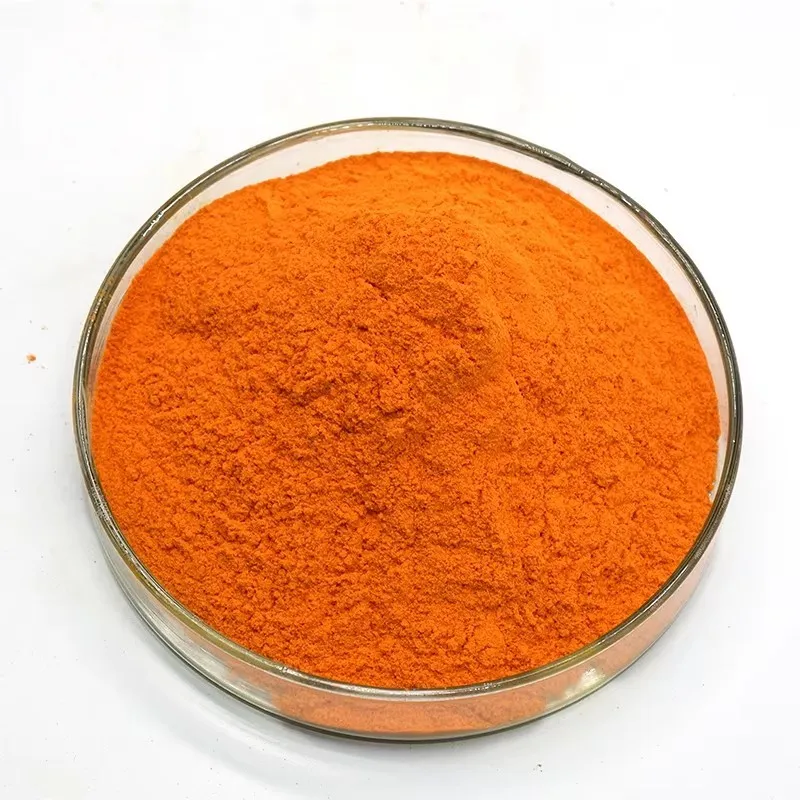
Appearance | Orange Fine Powder | Conform | Visual |
Taste | Characteristic | Conform | Organoleptic |
Odour | Characteristic | Conform | Organoleptic |
Identification | Identical to R.S. sample | Conform | USP39 |
Particle size | 98% pass 80mesh | Conform | USP |
Loss on Drying | ≤5.0% | 3.15% | USP40 |
Ash | ≤5.0% | 0.46% | USP40 |
Cadmium(Cd) | ≤1.0mg/kg | Complies | USP40<232 |
Mercury(Hg) | ≤0.1mg/kg | Complies | USP40 |
Lead(Pb) | ≤1.0mg/kg | Complies | USP40 |
Arsenic(As) | ≤1.0mg/kg | Complies | UV-Vis |
Beta-Carotene | ≥10.0% | 13.0% | HPLC |
Total Bacteria Count | ≤1000cfu/g | 75 | USP40 |
Yeast &Mold | ≤100cfu/g | 10 | USP40 |
E.Coli. | Negative | Conform | USP35 |
Salmonella | Negative | Conform | USP35 |
Conclusion: Conform with specification |
Application of Zeaxanthin
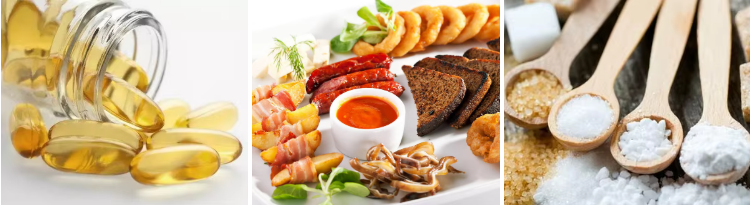
1.Applied in food field, it is mainly used as food additives for colorant and nutrient.
2. Applied in cosmetics, it is mainly used to whitening, anti-wrinkle and UV protection.
3. Applied in feed additive, it is mainly used in feed additive for laying hens and table poultry to improve the color of egg yolk and chicken. Make high commercial value fishes more attactive, such as salmon, trout and spectacular fish.
FAQ:
1. What is Zeaxanthin (Meso) and where is it sourced from?
Zeaxanthin is a naturally occurring carotenoid found in various plants and foods. Commercial zeaxanthin is commonly produced from marigold flowers (Tagetes erecta) or other suitable botanical sources, depending on the manufacturing process and specification.
2. What zeaxanthin specifications and formats are available?
Zeaxanthin can be supplied in different concentrations and delivery formats, including:
· Zeaxanthin powder
· Microencapsulated zeaxanthin
· Water-dispersible zeaxanthin
· Zeaxanthin beadlets
· Oil-based zeaxanthin preparations
· Lutein + zeaxanthin blends
The appropriate format depends on the target dosage, formulation, stability requirements and final dosage form.
3. What applications is zeaxanthin suitable for?
Zeaxanthin is widely used in eye-health and healthy-aging formulations, including:
· Eye-health capsules and tablets
· Gummies
· Multivitamin formulations
· Functional beverage powders
· Sachets and stick packs
· Children’s nutritional products
· Healthy-aging supplements
· Lutein + zeaxanthin formulas
For dry formulations, beadlet or microencapsulated formats can offer advantages in handling, dispersion and stability.
4. How is zeaxanthin protected against oxidation and light?
Zeaxanthin is sensitive to oxygen, light and heat. Microencapsulation can surround the active carotenoid with a protective matrix, helping reduce exposure to environmental factors during processing and storage.
Typical quality-control parameters may include:
· Zeaxanthin assay
· Lutein and other carotenoid levels
· Moisture
· Particle size
· Dispersibility
· Peroxide value, where applicable
· Heavy metals
· Microbiological parameters
5. Is zeaxanthin suitable for vegan and clean-label formulations?
Yes. Plant-derived zeaxanthin can be used in vegan formulations. Depending on the selected delivery system, plant-based carriers such as starch or gum arabic may be used instead of animal-derived materials.
For brands targeting Vegan, Allergen-Free, Clean Label or Sugar-Free positioning, the carrier system and manufacturing controls should be reviewed together with the specification and allergen statement before making the final claim.
 EN
EN
 fr
fr  de
de  ru
ru 




 Call us on:
  Email Us:
  Office Add: