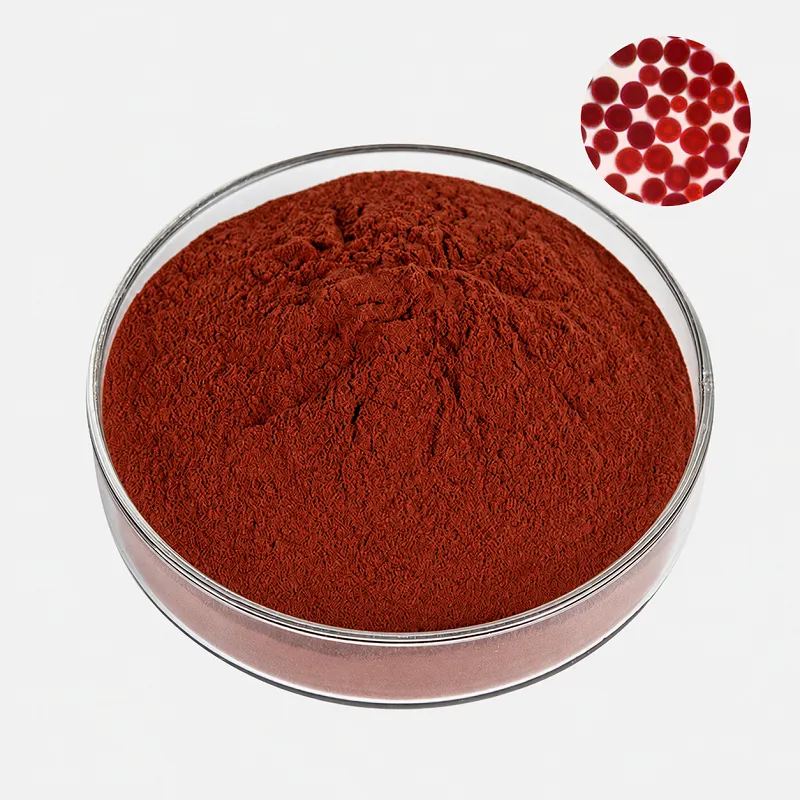
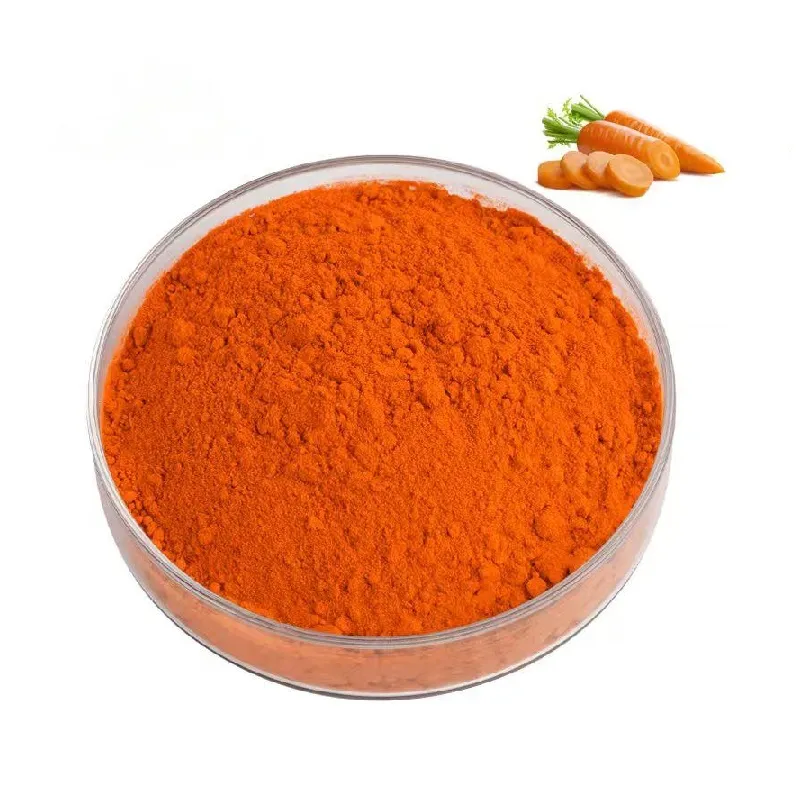
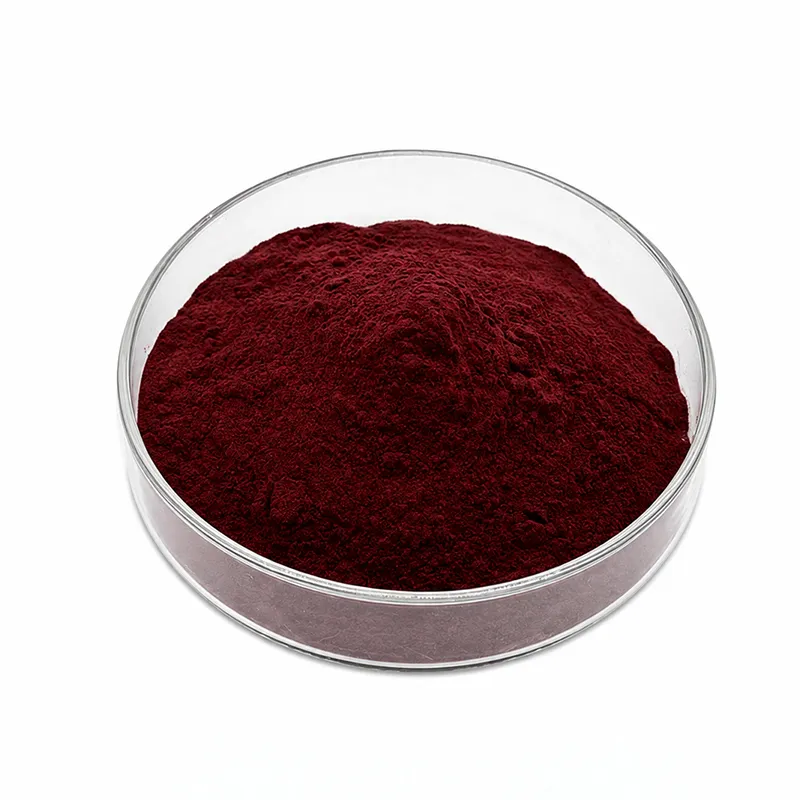
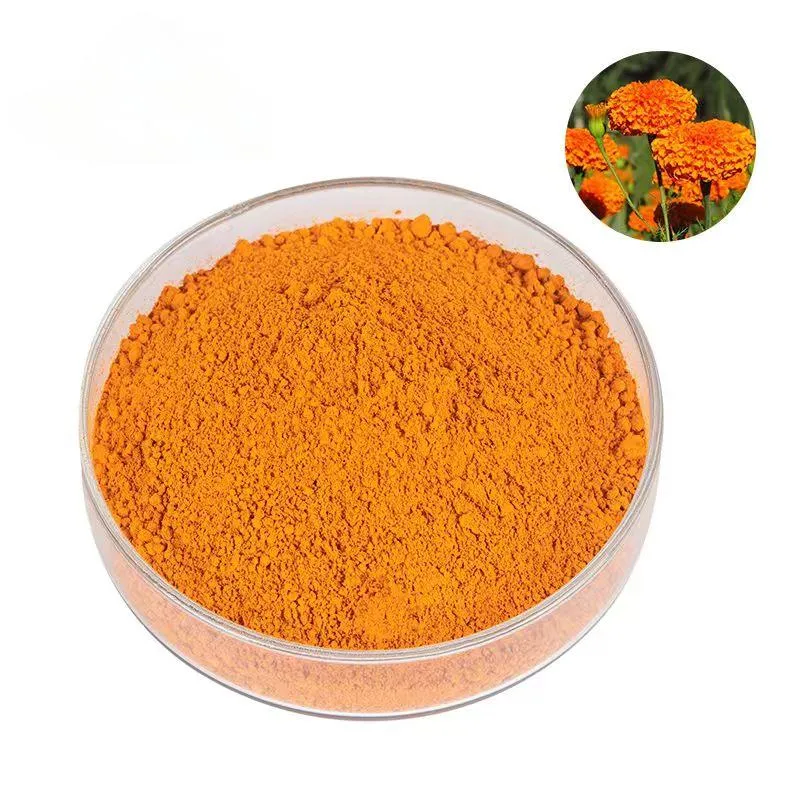
Natural Astaxanthin is a premium red-orange carotenoid pigment derived from the microalgae Haematococcus Pluvialis — nature’s richest source of natural astaxanthin. it is recognized as one of the most powerful natural antioxidants.
It is widely applied in cosmetics, dietary supplements, food & beverages and animal nutrition.
Advantages of Astaxanthin
We have strong ability to Raw herb cultivation, extraction, granulation, customization, and finish your private labels. Most retailers have their own brand, they need customized supplements and packaging services. If you are seeking to a trusted manufacturer, we can promise you that adding your company name, creating your design or customized packaging services.
Dosage Form Capabilities:
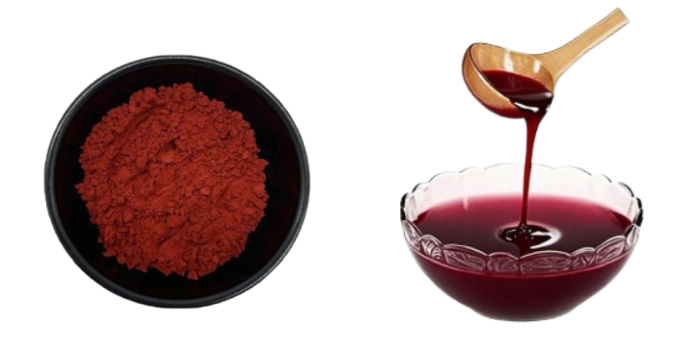
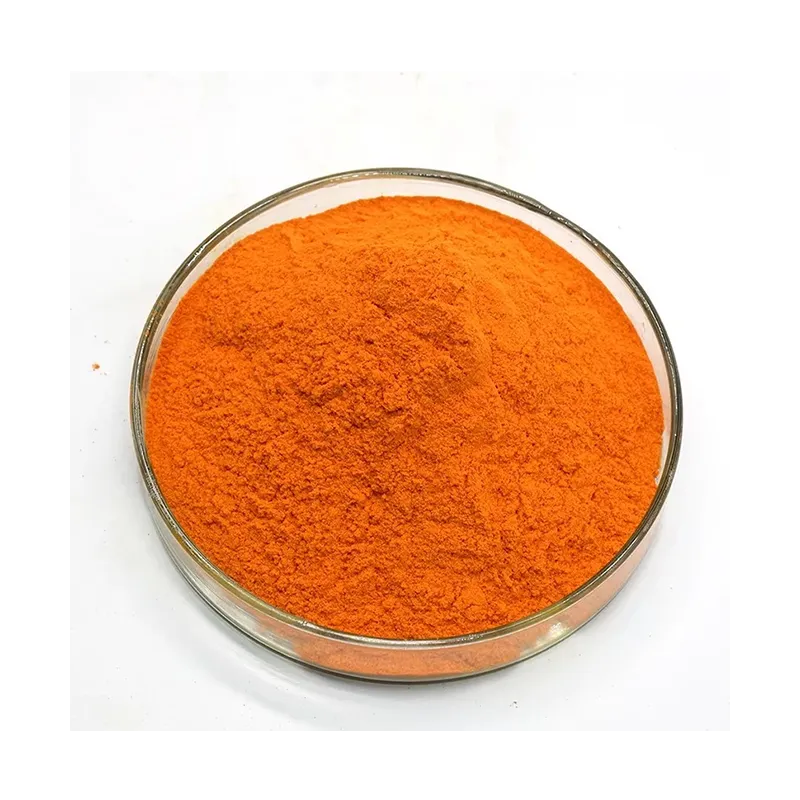
Powder 1%, 2%, 3%
Microencapsulated Powder CWD/CWS 2%, 2.5%
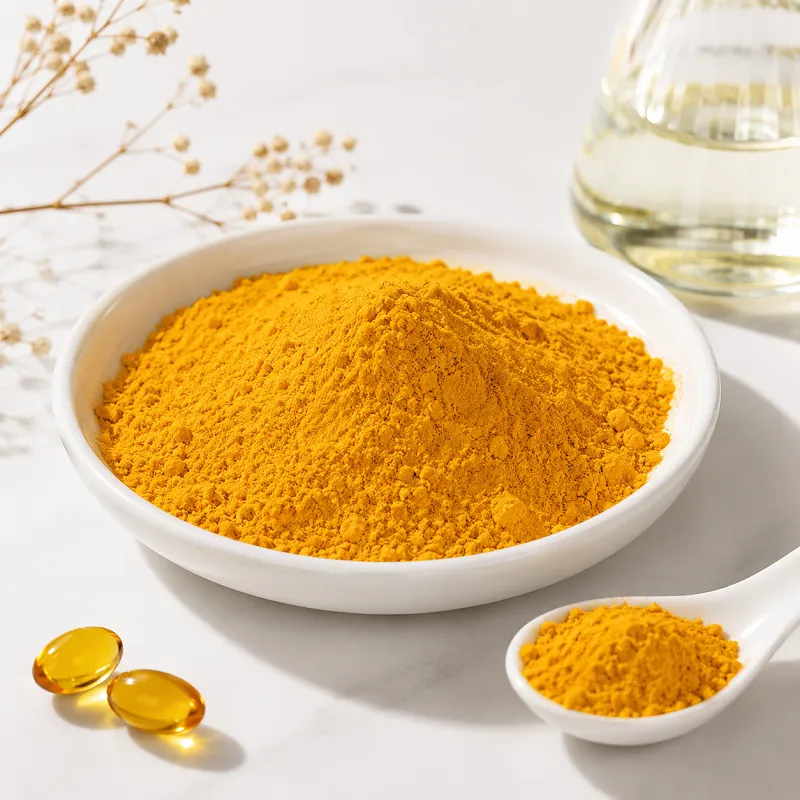
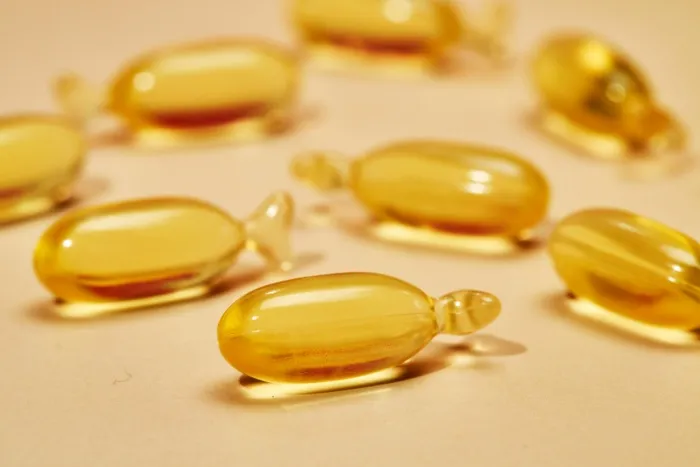
Oil Suspension 1%-10%
Specifications of Astaxanthin
CERTIFICATE OF ANALYSIS |
Product Name: | Astaxanthin Powder | Plant Part Used | Whole Cell |
Batch Number: | 20260511 | Quantity: | 300kg |
| ITEM | STANDARD | TEST RESULT | TEST METHOD |
Characteristics | Dark red powder, Not rancid andother odors, Not visibleimpurities | Q/SGY001 | Qualified |
Astaxanthin UV (%) | ≥5.00 | UV | 5.09 |
Moisture(%) | ≤5.0 | GB 5009.3-2016 | 3.12 |
Ash (%) | ≤8.0 | GB 5009.4-2016 | 2.24 |
Lead (mg/kg) | ≤1.0 | GB 5009.12-2017 | 0.13 |
Arsenic (mg/kg) | ≤1.0 | GB 5009.11-2014 | 0.32 |
Mercury (mg/kg) | ≤0.1 | GB 5009.17-2014 | Not detected |
Cadmium (mg/kg) | ≤1.0 | GB 5009.15-2014 | Not detected |
Total platecount (CFU /g) | ≤10000 | GB 4789.2-2016 | Qualified |
Mould and Yeast (CFU/g) | ≤50 | GB 4789.15-2016 | Qualified |
E. Coli | Not detectable | GB 4789.3-2016 | Not detected |
Salmonella /25g | Not detectable | GB 4789.4-2016 | Not detected |
S.Aureus,Shigella | Not detectable | GB 4789.10-2016 | Not detected |
Conclusion: Qualified |
Application of Astaxanthin
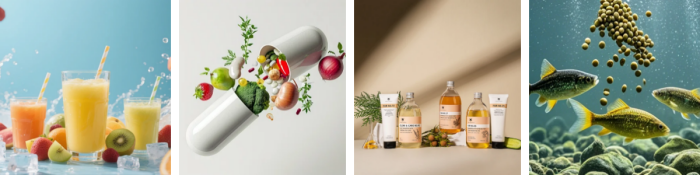
1. Astaxanthin is used in baked functional Foods&beverage;
2. Astaxanthin is used as a beneficial ingredient in Dietary Supplements;
3. Astaxanthin can also serve as an ingredient in cosmetics ;
4. Astaxanthin can be used as an aquatic and animal Feed Additives.
FAQ
1. What is Microencapsulated Astaxanthin?
Microencapsulated Astaxanthin is a delivery format where astaxanthin, a naturally occurring carotenoid, is protected within a microencapsulation matrix.
As a highly lipophilic ingredient, astaxanthin has limited water solubility and is sensitive to oxygen, light and heat. Microencapsulation helps improve its stability, handling properties and application flexibility in nutritional products.
2. What are the advantages of Microencapsulated Astaxanthin?
Microencapsulated Astaxanthin offers several formulation benefits:
Improved protection against oxidation and environmental stress
Enhanced stability during processing and storage
Better dispersibility in powder-based applications
Improved flowability and blending performance
Easier incorporation into capsules, powders and functional beverages
This format helps brands develop more convenient and stable astaxanthin products.
3. What applications can Microencapsulated Astaxanthin be used in?
Microencapsulated Astaxanthin is suitable for a wide range of applications, including:
Healthy-aging supplements
Beauty-from-within formulas
Sports nutrition products
Eye-health formulations
Skin-support supplements
Functional beverage powders
Sachets and stick packs
Powder-filled capsules
Multinutrient blends
The powder format provides greater flexibility compared with traditional oil-based astaxanthin forms.
4. What specifications are available for Microencapsulated Astaxanthin?
Microencapsulated Astaxanthin can be customized based on formulation requirements, including:
Astaxanthin concentration
Natural Haematococcus pluvialis-derived astaxanthin options
Carrier system selection
Particle size distribution
Moisture content
Dispersibility
Stability requirements
Typical quality parameters may include:
Astaxanthin assay
Carotenoid profile
Moisture content
Particle size
Heavy metals
Microbiological testing
Oxidative stability indicators
5. Is Microencapsulated Astaxanthin suitable for vegan and clean-label formulations?
Yes. Astaxanthin derived from Haematococcus pluvialis microalgae can support vegan and plant-based formulations.
Depending on the selected encapsulation system, plant-based carriers such as starch derivatives, gum arabic or other suitable food-grade materials can be used to support:
- Vegan formulations
- Dairy-free products
- Allergen-conscious concepts
- Clean-label positioning
For commercial product development, the carrier system, allergen statement, production process and regulatory requirements should be reviewed according to the target market.
 EN
EN
 fr
fr  de
de  ru
ru 






 Call us on:
  Email Us:
  Office Add: