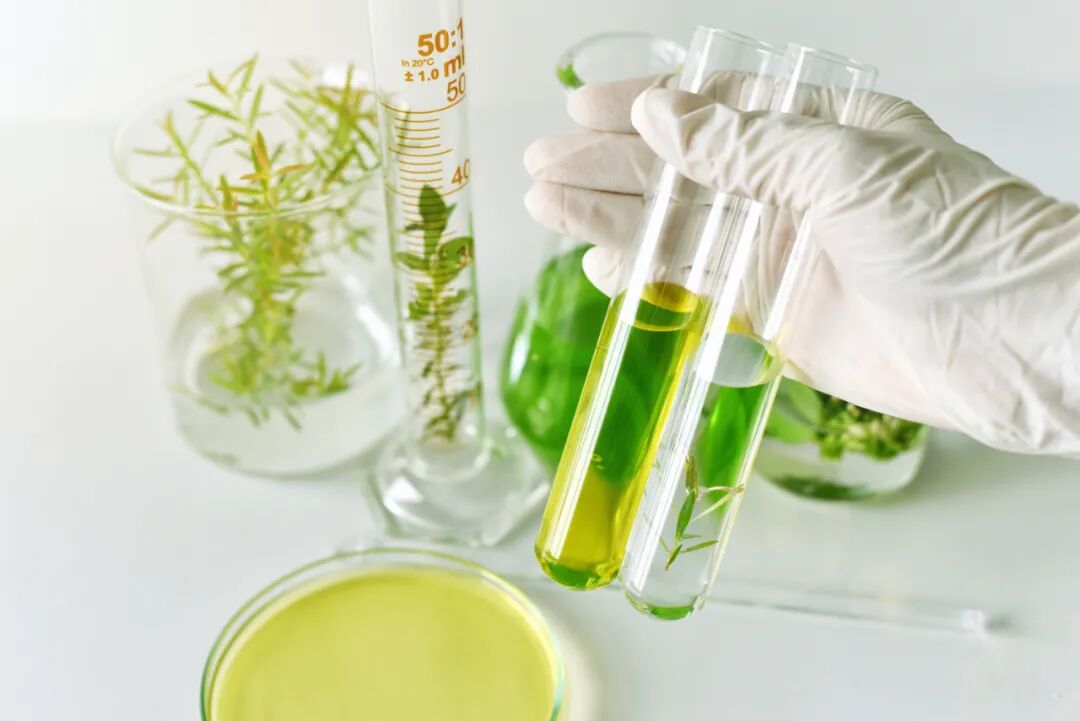
At OriginBio, comprehensive testing is conducted from raw materials to finished products to ensure quality, safety, and efficacy. Beyond ingredient verification, testing also covers heavy metals, pesticide residues, microbiological contaminants, and adulterants, helping ensure products are safe for consumers and compliant with international standards.
Raw Material Testing
All incoming raw materials undergo rigorous qualification and testing to verify:
· Identity
· Purity
· Potency
· Strength
· Composition
Identity Testing
To confirm ingredient authenticity, we utilize advanced analytical techniques, including:
· HPLC (High-Performance Liquid Chromatography)
· UV-Vis Spectroscopy
· GC-MS (Gas Chromatography-Mass Spectrometry)
· TLC (Thin-Layer Chromatography)
· HPTLC (High-Performance Thin-Layer Chromatography)
· NIR (Near-Infrared Spectroscopy)
Potency & Purity Testing
Potency testing determines the concentration of active compounds within an ingredient, while purity testing verifies the absence of unwanted substances. HPLC is the primary method used, supported by UV-Vis and GC-MS where appropriate.
Microbiological Compliance
Raw materials are tested for:
· Total Plate Count
· Yeast & Mold
· E. coli
· Salmonella
· Staphylococcus aureus
· Listeria
Heavy Metal Compliance
Testing includes:
· Arsenic (As)
· Lead (Pb)
· Mercury (Hg)
· Cadmium (Cd)
Heavy metals are analyzed using ICP-MS (Inductively Coupled Plasma Mass Spectrometry), one of the most sensitive analytical methods available.
Botanical Ingredient Testing
The efficacy of botanical ingredients depends largely on the plant part used and the extraction process. Standardized extracts are often preferred because they concentrate bioactive compounds. For example, a 20:1 extract delivers the equivalent active constituents of approximately 20 grams of raw botanical material in just 1 gram of extract.
Combined with GMP-qualified supplier audits and strict quality controls, our testing program helps ensure product safety and consistency throughout the capsule supplement manufacturing process.

 EN
EN
 fr
fr  de
de  ru
ru 






 Call us on:
  Email Us:
  Office Add: