
Stability testing should include multiple evaluation time points, which are selected based on the characteristics of the sample (sensory, physicochemical, and biological) and the expected changes over time.
International Guidelines and Regulatory References
1. World Health Organization (WHO)
WHO issued the QAS/06.179 guideline (“Stability Testing of Active Substances and Pharmaceutical Products”), which specifies requirements for batch selection, container closure systems, testing frequency, storage conditions, stability evaluation, and labeling for active substances.
2. United States – Dietary Supplement Verification Program (DSVP)
The USP DSVP outlines systematic requirements for labeling, product certification, pre-market review, GMP inspection of manufacturing sites, document review, laboratory testing, label verification, approval procedures, and post-market testing.
3. ASEAN Guidelines
The ASEAN “Stability Study & Shelf-life of Traditional Medicines and Health Supplements” guideline provides similar requirements to WHO QAS/06.179, including batch selection, testing protocols, storage conditions, and labeling for health supplements.
4. Canada – Natural and Non-prescription Health Products Directorate (NNHPD)
Canada, one of the first countries to legislate functional foods, issued the third edition of its GMP guidance in 2015, specifying storage conditions to ensure stability of natural health products.
5. NSF Stability Testing Guidelines
NSF issued the “Stability Testing Guideline for Dietary Supplements (Final Draft)” in 2011, detailing conditions, analytical methods, and key points for stability assessment of dietary supplements.
Types of Stability Testing
1. Accelerated Stability Testing
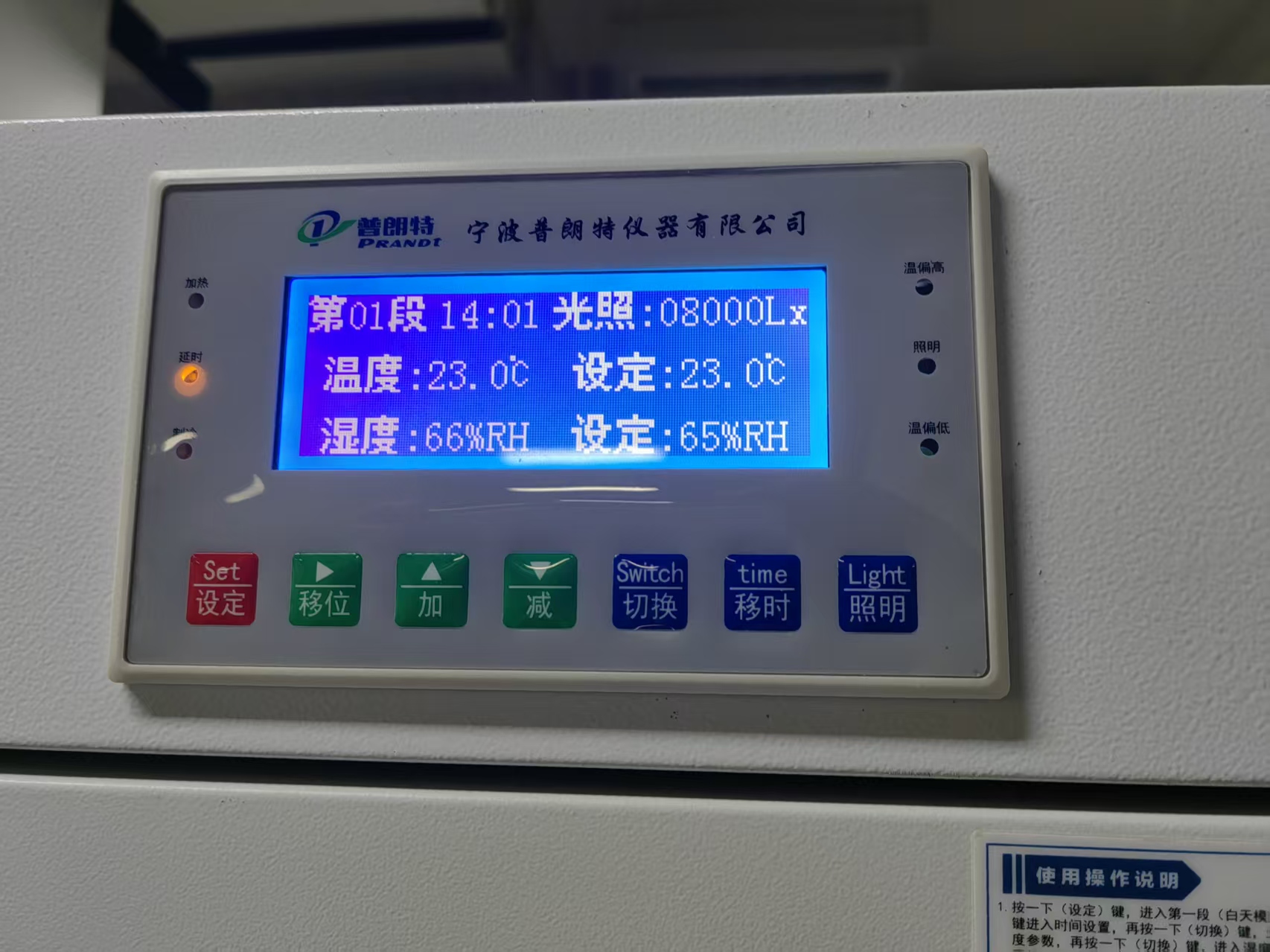
Supplements are placed in environmental chambers with controlled temperature and humidity to accelerate product aging, allowing early prediction of shelf-life and performance changes.
2. Real-Time Stability Testing
Supplements are stored under controlled ambient conditions, with regular evaluation of their efficacy, potency, and quality throughout the intended shelf-life. Results are compared with accelerated testing to ensure accuracy of shelf-life predictions.
By following these guidelines, manufacturers can ensure that dietary supplements maintain their safety, potency, and quality throughout their shelf-life, providing confidence to regulators, customers, and end consumers.
References
1. World Health Organization: WHO Guidelines on Stability Testing of Active Pharmaceutical Ingredients and Finished Pharmaceutical Products.
Available at: WHO Technical Report Series, Annex 10
2. United States Pharmacopeia: Dietary Supplement Verification Program.
Available at: USP Dietary Supplement Verification Program
3. ASEAN: ASEAN Guidelines on Stability and Shelf-Life of Traditional Medicines and Health Supplements.
Available at: SEAN Stability and Shelf-Life Guidelines
4. Health Canada: Good Manufacturing Practices Guidance Document for Natural Health Products.
Available at: Health Canada GMP Guidance
5. NSF International: Stability Testing Guideline for Dietary Supplements.
Available at: NSF Stability Testing Guideline Overview
 EN
EN
 fr
fr  de
de  ru
ru 






 Call us on:
  Email Us:
  Office Add: