FDA Finalizes 2026 NDI Guidance: What Dietary Supplement Ingredient Suppliers Need to Know
The U.S. Food and Drug Administration (FDA) released a new final guidance on October 19, 2026, providing further recommendations on the identity and safety information that manufacturers and distributors should include in New Dietary Ingredient (NDI) notifications. Published in the Federal Register on October 20, the guidance addresses important questions about ingredient identification, manufacturing processes, specifications, historical use, and safety evidence.
For dietary supplement ingredient suppliers, this update highlights the importance of maintaining accurate technical documentation and demonstrating consistent ingredient quality. Although the guidance does not introduce a new statutory notification requirement, it provides a clearer framework for preparing supporting information for the U.S. market. Understanding these recommendations can help suppliers work more effectively with supplement brands and manufacturers during product development and regulatory preparation.
What Does the FDA's 2026 NDI Guidance Actually Finalize?
The 2026 FDA NDI guidance provides recommendations on three major areas of premarket notification: ingredient identity, history of use or other evidence of safety, and the scientific basis for concluding that an ingredient is reasonably expected to be safe.
The document finalizes three subject areas from FDA's 2016 revised draft guidance:
Identity information about the NDI and the dietary supplement containing it.
History of use or other evidence of safety.
Summary of the basis for the conclusion of safety.
An NDI is generally a dietary ingredient that was not marketed in the United States before October 15, 1994. Dietary ingredients include vitamins, minerals, herbs, botanicals, amino acids, dietary substances, and certain concentrates, metabolites, constituents, extracts, or combinations of these ingredients.
However, not every ingredient introduced after 1994 automatically requires an NDI notification. The statutory exception for certain dietary ingredients already present in the food supply as an article used for food in a form that has not been chemically altered must also be considered.
Under Section 413(a)(2) of the Federal Food, Drug, and Cosmetic Act, manufacturers or distributors of an NDI, or of a dietary supplement containing an NDI, generally must submit a New Dietary Ingredient Notification (NDIN) at least 75 days before introducing the product into interstate commerce.
Importantly, an NDIN submission is not an FDA approval. FDA does not approve NDI notifications through this process.
The 2026 document is also not a finalization of the entire NDI guidance framework. FDA has finalized different sections separately, including the notification procedures and timeframes guidance in March 2024. Other portions of the broader 2016 revised draft guidance remain under review.
Official references:
What Information Should Ingredient Suppliers Prepare for an NDI Notification?
A complete NDI notification should establish the identity, composition, manufacturing background, and safety of the ingredient under its intended conditions of use.
For ingredient suppliers, the most important practical implication is that a product specification sheet or Certificate of Analysis alone may not provide all the information needed to support an NDIN.
Ingredient Identity and Composition
FDA recommends providing sufficient information to establish exactly what the NDI is and how it relates to the dietary supplement containing it.
Relevant information includes:
Official ingredient name and chemical or molecular composition.
Physical properties and ingredient form.
Analytical methods and data used to verify identity.
Acceptable ranges for batch-to-batch variation.
Identity and levels of relevant impurities and contaminants.
Composition and identity of other components in the finished supplement.
For botanical ingredients, suppliers should pay particular attention to botanical identification. FDA requires the Latin binomial name, including the botanical author citation, for herbs and other botanicals.
Additional supporting information may include the plant part used, geographical origin, cultivation and harvesting conditions, post-harvest processing, and procedures used to exclude potential adulterant species.
Manufacturing Process and Quality Specifications
The manufacturing process is an important part of demonstrating ingredient identity and safety.
FDA recommends describing relevant production steps, including extraction methods, solvents, processing temperatures, pressure, concentration, drying, filtration, and purification.
For example, botanical extract suppliers should be prepared to explain:
Starting botanical materials and their specifications.
Extraction solvents and processing conditions.
Concentration or dilution ratios.
Standardization procedures and marker compound levels.
Residual solvent controls.
Filtration and purification steps used to remove undesirable components.
Specifications should also identify the relevant tests, acceptance criteria, and analytical methods.
The following table illustrates the types of information that may support an ingredient specification package.
| Quality Parameter | Supporting Information |
|---|
| Ingredient identity | HPLC, HPTLC, UV-Vis or other suitable identification methods |
| Active ingredient content | Assay results and acceptance ranges |
| Purity | Related substances and impurity limits |
| Heavy metals | Lead, arsenic, cadmium and mercury testing, where applicable |
| Microbiological quality | Total aerobic count, yeast, mold and relevant pathogens |
| Residual solvents | Analytical results and applicable limits |
| Pesticide residues | Testing results and acceptance criteria, where applicable |
| Batch consistency | Batch comparison data and established specifications |
| Stability | Data supporting identity, strength and purity throughout shelf life |
For ingredients produced through fermentation, FDA also recommends describing the production microorganism, fermentation media, fermentation conditions, harvesting methods, and controls for undesirable byproducts.
These recommendations make it especially important for suppliers to maintain reliable manufacturing records and analytical documentation.

How Should Suppliers Demonstrate a History of Safe Use?
A history of safe use provides evidence that an ingredient has been consumed safely under conditions comparable to its proposed use in a dietary supplement.
FDA recommends evaluating historical consumption in terms of ingredient identity, composition, dosage, duration, frequency, and consumer population rather than relying solely on the number of years an ingredient has been available.
For suppliers, relevant supporting evidence may include:
Published scientific literature and peer-reviewed studies.
Historical food and dietary supplement consumption data.
Product labels and documented recommended intake levels.
Sales, production, and commercial distribution records.
Ingredient composition and analytical testing results.
Reports from recognized scientific or regulatory organizations.
FDA generally recommends at least 25 years of widespread use when relying on a history of safe use alone. This is a recommendation in the guidance, not a separate statutory minimum that automatically determines whether an NDI notification is acceptable.
Historical Use Must Match the Proposed Conditions of Use
An important consideration is whether the historically consumed ingredient is sufficiently comparable to the NDI being evaluated.
For example, a botanical ingredient traditionally consumed as a food may have a different composition from a highly concentrated botanical extract. Similarly, historical consumption at a low dietary level may not adequately support a proposed supplement dosage that provides substantially higher exposure.
The safety assessment should therefore consider:
The proposed serving size and total daily intake.
Frequency and duration of consumption.
The chemical composition and concentration of the ingredient.
The intended consumer population.
Differences between historical and proposed manufacturing processes.
Potential safety concerns associated with the proposed use.
If historical evidence does not adequately cover the proposed conditions of use, additional evidence may be recommended.
When Is Additional Safety Testing Necessary?
FDA recognizes different approaches to supporting safety conclusions, including in vitro studies, in silico methods, animal studies, and human clinical studies.
The type of evidence should address the specific data gaps identified in the safety assessment.
For example, additional toxicological studies may be appropriate when an ingredient has limited historical consumption data or contains constituents with recognized safety concerns.
Human clinical studies are not universally required before submitting an NDIN. However, FDA may recommend them when existing historical and nonclinical evidence is insufficient to establish a reasonable expectation of safety.
The notification should also include a scientific safety narrative explaining how the available evidence supports the proposed conditions of use.
What Does the 2026 NDI Guidance Mean for Dietary Supplement Ingredient Suppliers?
The guidance reinforces the importance of ingredient suppliers being able to provide more than a commercial specification and a basic COA.
A supplier's technical documentation can directly support the ability of a supplement brand or manufacturer to prepare an NDIN and evaluate ingredient safety.
For B2B ingredient suppliers, several areas deserve particular attention.
Improve Raw Material Identification
Suppliers should maintain accurate ingredient names, botanical identification, source information, composition data, and analytical methods. For botanical extracts, the plant part, extraction solvent, and standardization information are particularly relevant.
Strengthen Batch Consistency and Contaminant Control
Ingredient specifications should define clear acceptance criteria. Routine testing and batch records can help demonstrate that the material consistently meets its intended identity, purity, strength, and composition requirements.
Maintain Manufacturing and Traceability Records
Manufacturing process descriptions, raw material records, in-process controls, and batch traceability information can help explain how an ingredient is produced and how potential quality risks are controlled.
Prepare Supporting Safety Documentation
Where available, suppliers should organize relevant scientific publications, historical use information, stability reports, and safety assessment documents. These materials can help customers evaluate whether existing evidence supports the intended dosage and application.
Ingredient suppliers should also coordinate with their U.S. customers to clarify who is responsible for preparing and submitting the NDIN. The legal submission responsibility depends on the role of the manufacturer or distributor; providing ingredient documentation does not automatically mean the supplier has fulfilled the notification obligation.
How OriginBio Supports Ingredient Quality and Documentation
At OriginBio, ingredient quality management begins with raw material sourcing, identification, and testing. We understand that supplement brands need reliable technical information when selecting ingredients and developing products for international markets.
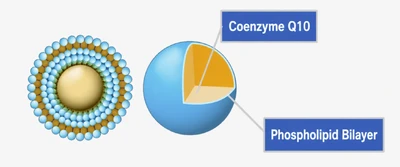
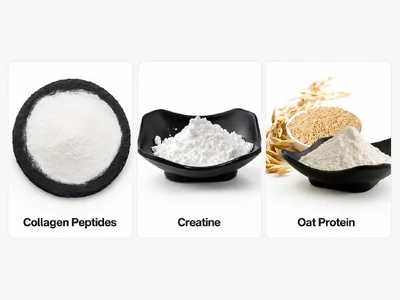
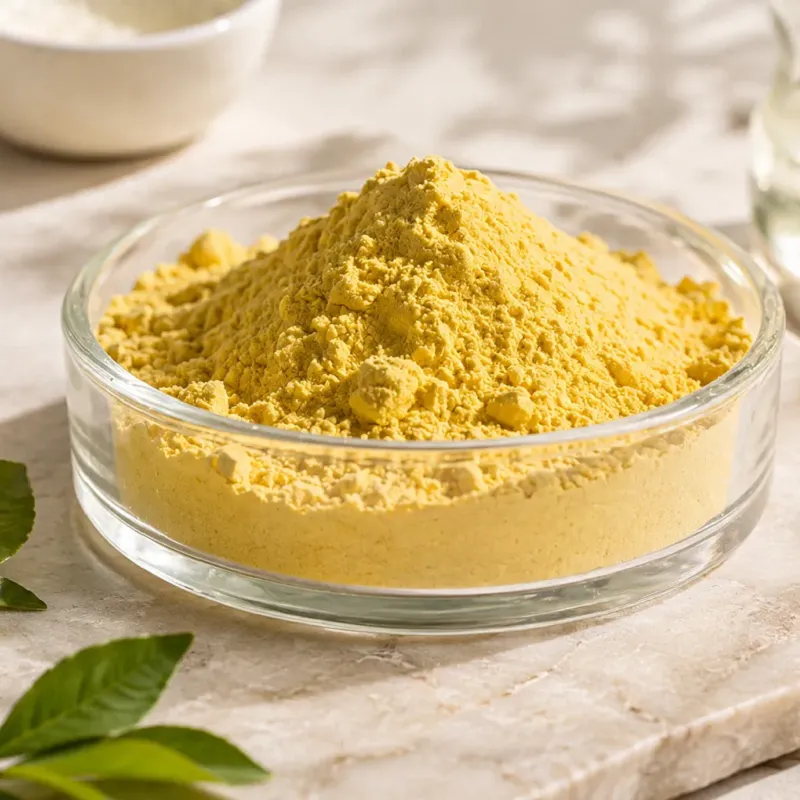
Our supplement ingredient sourcing solutions cover a broad portfolio of nutritional ingredients, botanical extracts, microencapsulated ingredients, liposomal ingredients, and other functional raw materials.
To support ingredient evaluation, our raw material testing program includes identity, potency, purity, microbiological, heavy metal, and other relevant quality assessments according to ingredient requirements.
We also provide COA and documentation support, with batch-related quality information, ingredient specifications, testing reports, and other applicable technical documents depending on the product and project requirements.
For supplement brands developing new formulations, reliable ingredient documentation can help establish a stronger foundation for quality evaluation, supplier qualification, and regulatory preparation.
If you are sourcing functional ingredients for the U.S. dietary supplement market, working with a supplier that understands ingredient identity, manufacturing consistency, and documentation requirements can make the product development process more organized and efficient.
Conclusion
The FDA's October 2026 final NDI guidance provides clearer recommendations for documenting ingredient identity, manufacturing information, historical use, and safety evidence in new dietary ingredient notifications.
For dietary supplement ingredient suppliers, the main takeaway is that regulatory readiness depends on the quality and completeness of technical documentation, not simply on an ingredient's advertised purity or commercial availability.
By strengthening raw material testing, batch consistency, manufacturing records, and safety documentation, suppliers can better support supplement brands preparing for the U.S. market.
As the FDA continues to finalize additional sections of its broader NDI guidance framework, ingredient suppliers should keep monitoring regulatory developments and maintain documentation that can support the intended use of their materials.
FAQ
What Is an NDI in Dietary Supplements?
A New Dietary Ingredient (NDI) is generally a dietary ingredient that was not marketed in the United States before October 15, 1994. Certain ingredients already present in the food supply in an unchemically altered form may fall under a statutory exception.
Does Every New Supplement Ingredient Require an NDI Notification?
No. Whether an ingredient requires an NDIN depends on its regulatory status, marketing history, and whether the statutory food-supply exception applies. Manufacturers and distributors should evaluate the ingredient's specific circumstances before marketing it.
How Early Must an NDI Notification Be Submitted?
An applicable NDIN must generally be submitted to FDA at least 75 days before the product is introduced into interstate commerce. This is an existing statutory requirement, not a newly introduced deadline under the October 2026 guidance.
Is an FDA NDI Notification the Same as FDA Approval?
No. FDA does not approve NDINs. The notification is a premarket submission in which the responsible manufacturer or distributor provides the basis for concluding that the ingredient or supplement will reasonably be expected to be safe under its intended conditions of use.
What Documents Should an NDI Ingredient Supplier Prepare?
Useful supporting documents include ingredient specifications, identity testing results, manufacturing process information, batch records, COAs, contaminant testing, stability data, and relevant historical use or safety evidence. The exact documentation package depends on the ingredient and its intended application.
OriginBio
A reliable one stop nutrition supplement contract manufacturing partner
 EN
 fr
 de
 ru









 Call us on:
 Email Us:
 Office Add:
