 EN
EN
 fr
fr  de
de  ru
ru 






What Is Liposomal Astaxanthin and Why Is It Popular in Antioxidant Supplements?
Liposomal astaxanthin refers to astaxanthin encapsulated within microscopic phospholipid vesicles known as liposomes. These lipid structures mimic biological cell membranes and allow the active compound to be delivered more efficiently through the digestive system.Astaxanthin itself belongs to the xanthophyll carotenoid family and is known for its exceptional antioxidant capacity. Scientific studies have shown that astaxanthin can neutralize reactive oxygen species, protect lipid membranes, and reduce oxidative damage in biological systems. These properties make it a valuable ingredient in supplements designed for skin health, cardiovascular support, eye protection, and anti-aging applications.
The combination of strong antioxidant activity and enhanced delivery through liposomal technology has made liposomal astaxanthin supplements increasingly attractive in the global nutraceutical market.
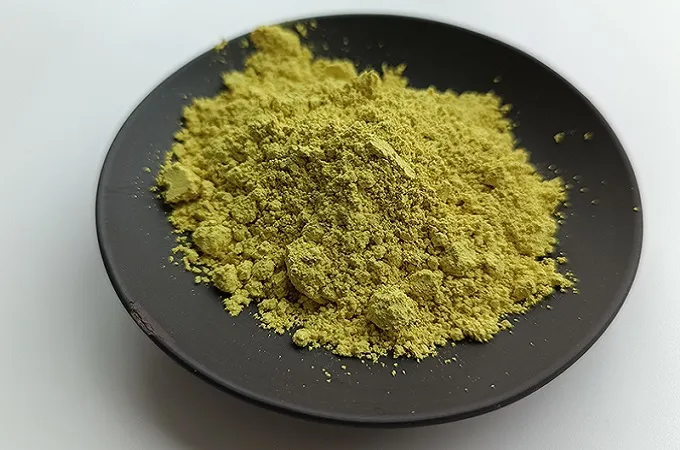
What Is the Source of Astaxanthin Powder Used in Supplements?
Most high-quality astaxanthin used in dietary supplements is derived from the microalgae Haematococcus pluvialis, which is considered the richest natural source of this carotenoid. Under environmental stress conditions such as intense sunlight or nutrient limitation, this microalga accumulates large quantities of astaxanthin to protect itself from oxidative damage.The commercial production process typically involves controlled algae cultivation, harvesting, drying, and extraction of astaxanthin using advanced methods such as supercritical carbon dioxide extraction. This process produces concentrated astaxanthin oleoresin or powder suitable for supplement formulations.
Natural astaxanthin extracted from microalgae is often preferred over synthetic alternatives due to its higher biological activity and naturally occurring esterified forms that contribute to improved stability.
How Does Liposomal Technology Improve Astaxanthin Absorption?
Astaxanthin is a lipid-soluble molecule, meaning its absorption depends on the presence of fats or lipid carriers. Liposomal delivery systems encapsulate the compound inside phospholipid membranes, which help protect the active ingredient and improve its transport across intestinal cell membranes.
Liposomal formulations can enhance nutrient stability, protect against oxidation, and increase the bioavailability of sensitive compounds. By mimicking natural biological membranes, liposomes can deliver nutrients more efficiently to target cells.
For antioxidant supplements, liposomal encapsulation is particularly beneficial because carotenoids such as astaxanthin are prone to degradation when exposed to heat, oxygen, or light.
How Are Liposomal Astaxanthin Capsules Manufactured?
The production of liposomal astaxanthin capsules involves several carefully controlled manufacturing stages.
First, purified astaxanthin powder is combined with phospholipids derived from sources such as sunflower or soy lecithin. The mixture is processed through homogenization or ultrasonic dispersion to create nanoscale liposomes that encapsulate the astaxanthin molecules.
After the liposomal suspension is stabilized, the formulation is prepared for encapsulation. Automated capsule filling equipment then places the precise amount of liposomal powder or granules into capsules. Finally, the finished capsules undergo quality testing to verify purity, potency, and microbiological safety before packaging.
This process ensures that the final supplement maintains stability while delivering consistent antioxidant potency.
Why Is Pomegranate Flavor Used in Antioxidant Capsules?
Pomegranate flavor is frequently used in antioxidant supplements because it complements the health positioning of the product. Pomegranates are widely associated with polyphenols and antioxidant activity, making the flavor profile consistent with the functional benefits of astaxanthin.
Natural fruit flavor systems can also help mask the earthy or marine taste sometimes associated with algae-derived ingredients. In addition to improving palatability, fruit flavors enhance the overall consumer experience and increase product appeal in competitive supplement markets.
Flavor systems can be created using natural fruit powders, botanical extracts, or food-grade flavor compounds depending on the formulation requirements.
What Capsule Sizes and Colors Are Available for Customization?
Capsule customization plays an important role in product differentiation and branding for supplement companies. Manufacturers typically offer several capsule sizes to accommodate different dosage levels.
Common capsule sizes include size 00, size 0, size 1, and size 2, each providing different filling capacities depending on the density of the formulation. Capsule materials may include gelatin or vegetarian alternatives such as hydroxypropyl methylcellulose.
Capsule color options are also flexible and may include transparent, white, red, or customized dual-color designs. For astaxanthin supplements, darker capsule colors are often preferred because they help protect sensitive carotenoids from light exposure.
What Ingredients Can Be Combined With Astaxanthin in Supplement Formulas?
Astaxanthin is often combined with other antioxidants or nutraceutical ingredients to create synergistic formulations. These combinations can enhance the overall health benefits of the supplement.
Common complementary ingredients include vitamin E, which helps protect lipid membranes from oxidative damage, and coenzyme Q10, which supports cellular energy production. Botanical antioxidants such as resveratrol or pomegranate extract may also be included to create multi-ingredient antioxidant complexes.
Such formulations allow supplement brands to develop specialized products targeting skin health, cardiovascular wellness, eye protection, or anti-aging support.
What Should Buyers Consider When Sourcing Liposomal Astaxanthin Capsules?
When sourcing liposomal astaxanthin capsules for commercial distribution, buyers should evaluate several key factors.
First, the quality and origin of the astaxanthin raw material should be verified, particularly whether it is derived from natural microalgae. Second, manufacturing facilities should follow recognized quality standards for dietary supplement production.
Buyers should also review available customization options, including capsule size, flavor system, and formulation flexibility. Stability testing, ingredient traceability, and consistent production capacity are additional considerations when selecting a manufacturing partner.
Careful evaluation of these factors helps ensure that the final supplement meets both regulatory requirements and market expectations.
Contact Us for Wholesale Orders
OriginBio offers contract supplement manufacturer, custom formulations, OEM/ODM & private label services with low MOQ and fast turnaround.Contucat us
Conclusion
Liposomal astaxanthin capsules represent an advanced approach to antioxidant supplementation by combining a powerful natural carotenoid with modern nutrient delivery technology. Derived primarily from microalgae sources, astaxanthin offers strong protection against oxidative stress while supporting various aspects of human health.Through liposomal encapsulation, improved stability and absorption can be achieved, allowing nutraceutical brands to develop high-quality antioxidant products. With customizable capsule sizes, flavors such as pomegranate, and flexible formulation options, liposomal astaxanthin supplements continue to grow in popularity within the global dietary supplement industry.
Also See
Liposomal NAD vs NMN: Supplement Contract Manufacturer
Is Liposomal Glutathione Better Than Capsules
Wholesale Liposomal NAD+ Softgel Capsules Anti-Aging Supplement Contract Manufacturer
Liposomal CoQ10 vs Ubiquinol:Private Label Bulk Capsule Manufacturer
Supplement Manufacturer FAQs
Q1: What Supplements Can OriginBio Manufacture Under Private Label?
OriginBio is a ISO9001-compliant private label supplement manufacturer specializing in capsules, powders, tablets, and advanced delivery systems for global health brands, distributors, and contract supplement companies.
Q2: What Types of Supplements Can OriginBio Manufacture Under Private Label?
OriginBio can manufacture most commercially viable dietary supplements under private label, including:
Capsule supplements (hard capsules, delayed-release capsules, pellet capsules)
Powder supplements (single-ingredient and compound formulas)
Tablet supplements (standard, chewable, sustained-release)
Granules & stick packs
Functional gummies
Customized dosage forms for B2B brands
These products are suitable for DTC brands, Amazon sellers, distributors, clinics, and nutraceutical companies.
Q3: Which Supplement Categories Does OriginBio Specialize In Most?
OriginBio focuses on high-growth, science-driven supplement categories, including:
Anti-aging & longevity supplements
NMN, NAD+ boosters, Urolithin A, PQQ, Ergothioneine, Resveratrol
Sports nutrition & recovery
Magnesium complexes, amino acids, electrolyte formulas
Gut health & metabolic health
Prebiotics, magnesium caprylate, fiber blends
Immune system support
Vitamin C complexes, zinc, mushroom extracts, botanical antioxidants
Skin, beauty & collagen support
Collagen capsules, hyaluronic acid, vitamin C combinations
Brain & cognitive health
Magnesium L-Threonate blends, nootropic formulations
Q4: Can OriginBio Manufacture Single-ingredient Supplements Under Private Label?
Yes. OriginBio supports single-ingredient private label manufacturing, ideal for brands emphasizing purity, transparency, and clinical dosing.
Magnesium Glycinate / Taurate / L-Threonate
NMN powder or capsules
Omega-3,6,9
Amino acids (L-Serine, L-Carnitine)
Standardized botanical extracts
Each product is supplied with COA, specifications, and batch traceability.
Q5: Does OriginBio Offer Custom Supplement Formulation Services?
Yes. OriginBio provides OEM and ODM custom formulation services, including:
Market-oriented formula design
Ingredient sourcing and compatibility analysis
Dosage and excipient optimization
Stability and shelf-life considerations
Flavor and solubility adjustment for powders
This allows brands to launch differentiated, non-generic supplements.
Q6: Can OriginBio Manufacture Advanced or High-bioavailability Supplements?
Yes. OriginBio specializes in advanced supplement manufacturing technologies, such as:
Microencapsulation
Pellet and sustained-release technology
Liposomal-compatible systems
High-absorption mineral complexes
These technologies are commonly used in anti-aging, cognitive, and premium supplements to improve bioavailability and consumer experience.
References
Marine Drugs – Astaxanthin: Sources, Extraction, Stability, Biological Activities and Commercial Applications
Antioxidants – Biological Activities of Astaxanthin and Its Role in Oxidative Stress Protection
Molecules – Preparation and Characterization of Astaxanthin Liposomes
International Journal of Food Science and Technology – Production of Natural Astaxanthin from Microalgae
Nutrients – Astaxanthin as a Marine-Derived Antioxidant for Human Health
Journal of Agricultural and Food Chemistry – Antioxidant Mechanisms of Carotenoids
Food Chemistry – Stability and Bioavailability of Liposomal Carotenoids
Advances in Food and Nutrition Research – Microalgae as a Source of Functional Nutraceutical Compounds


.webp)

 Call us on:
  Email Us:
  Office Add: