Liposomal Milk Thistle Extract Powder Specifications
| Item | Specification |
| Product Name | Liposomal Milk Thistle Extract Powder |
| Active Content | Silymarin 35%-40% |
| Particle Size | ~200 nm |
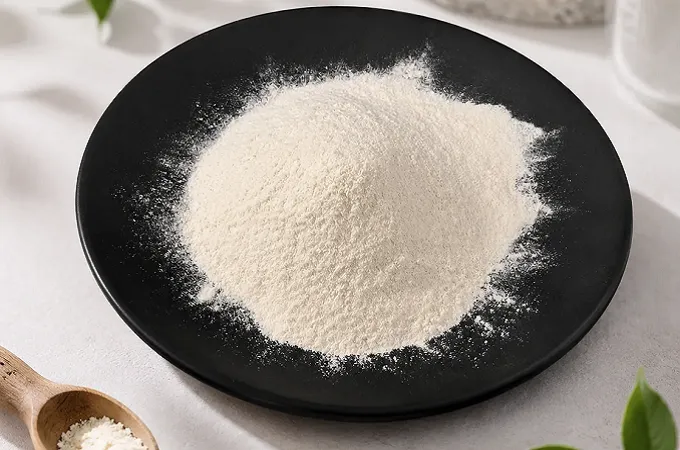
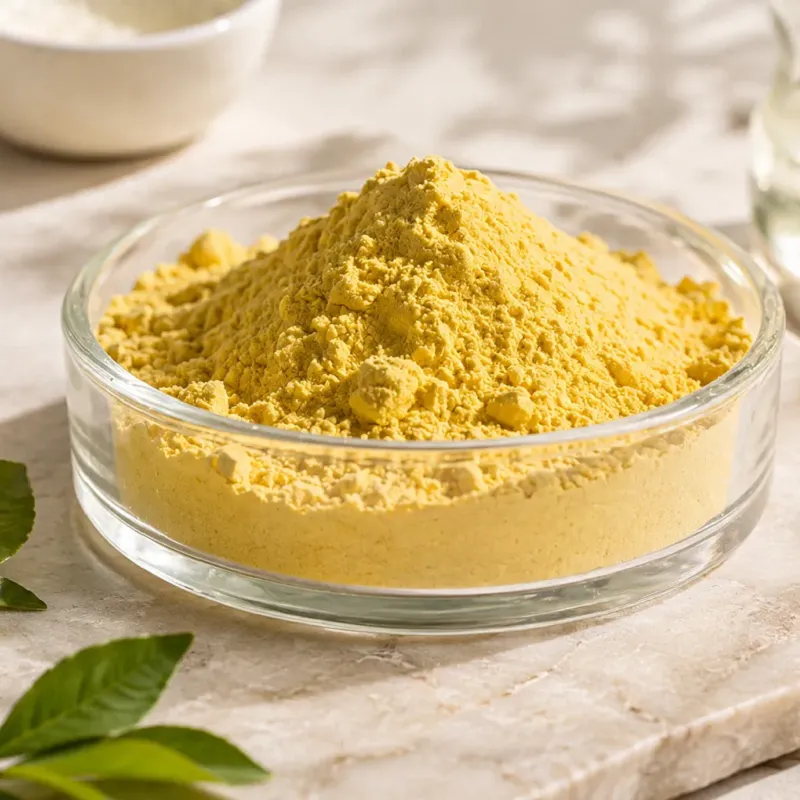
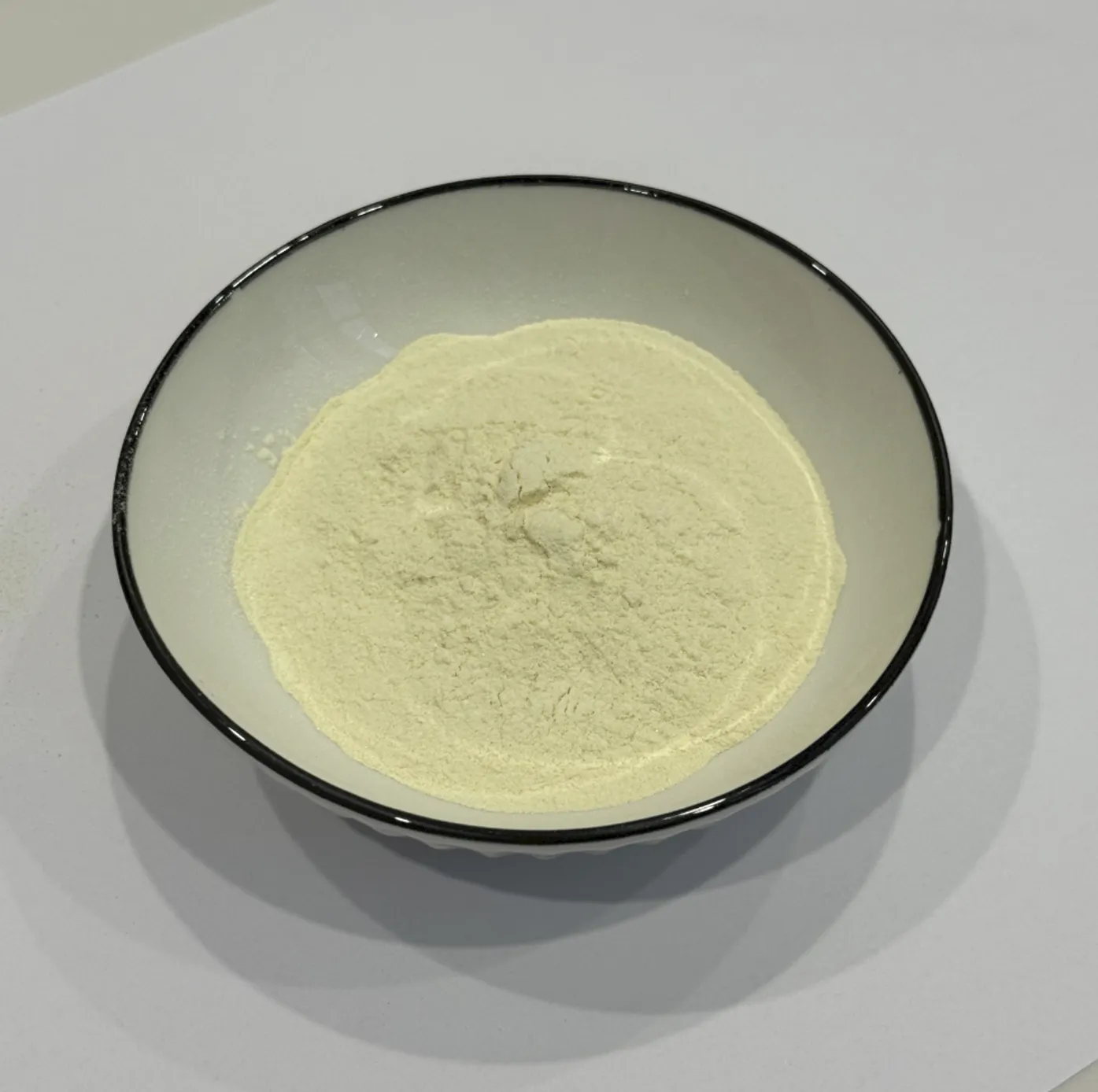
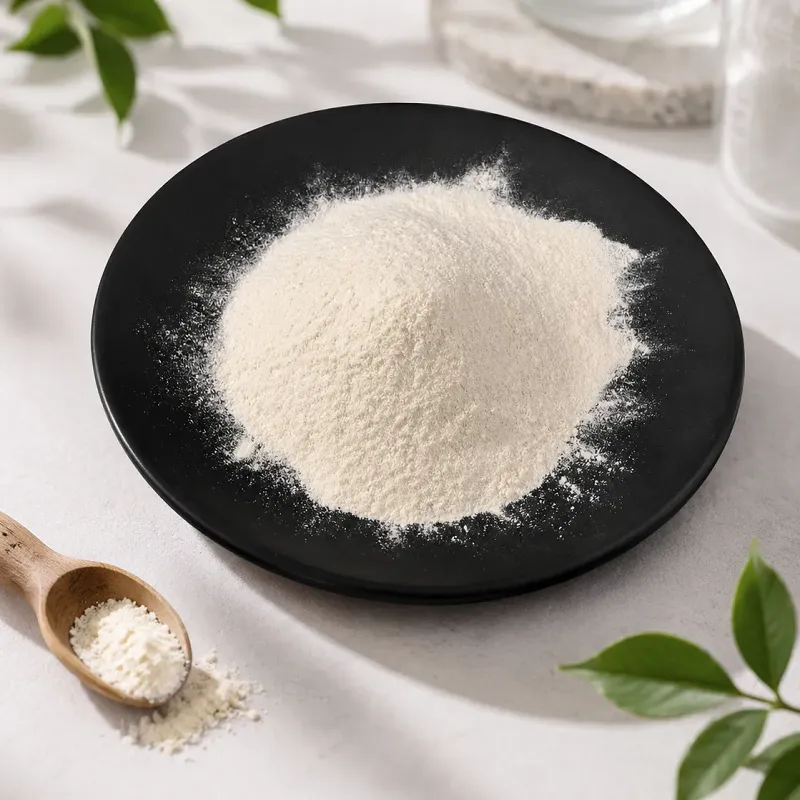
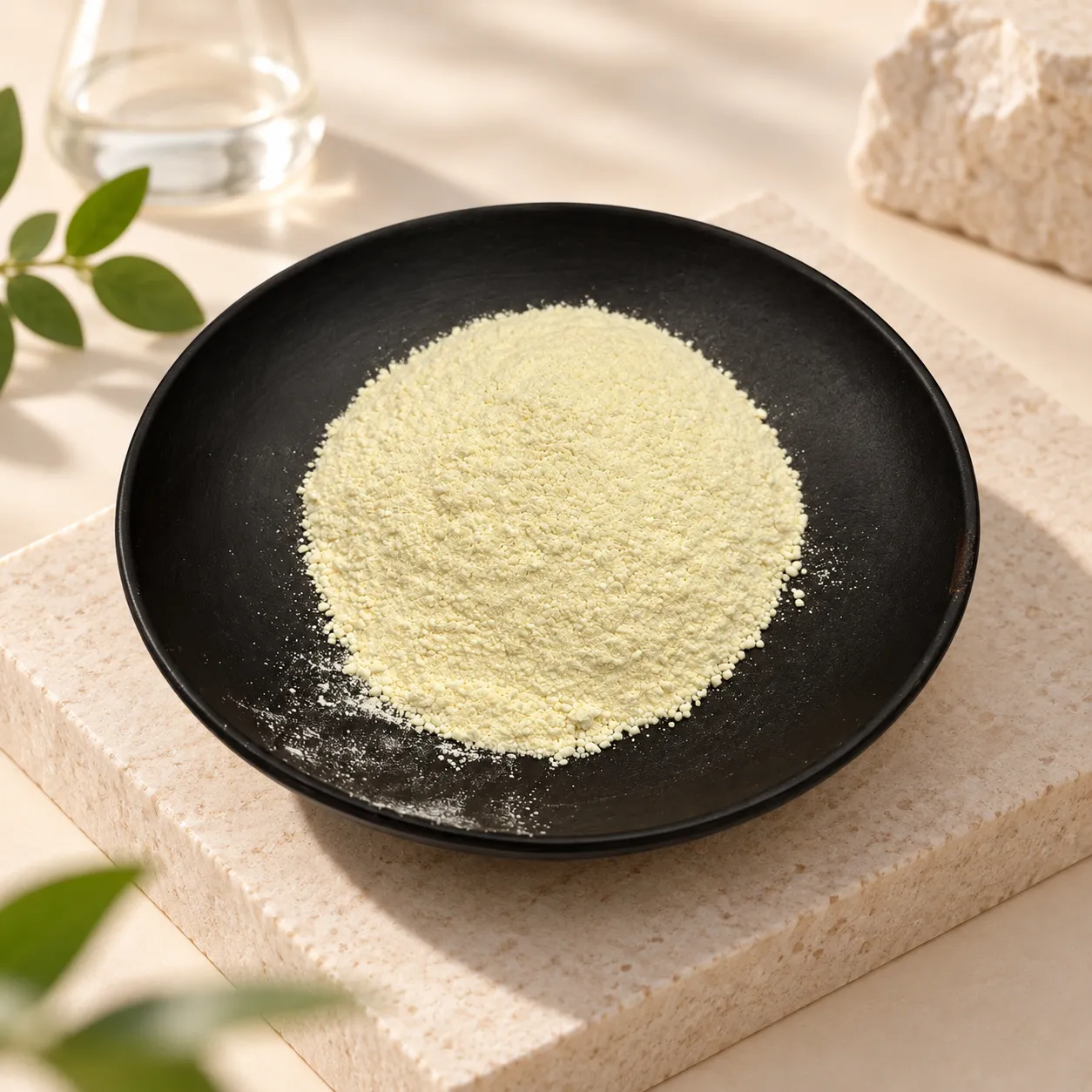
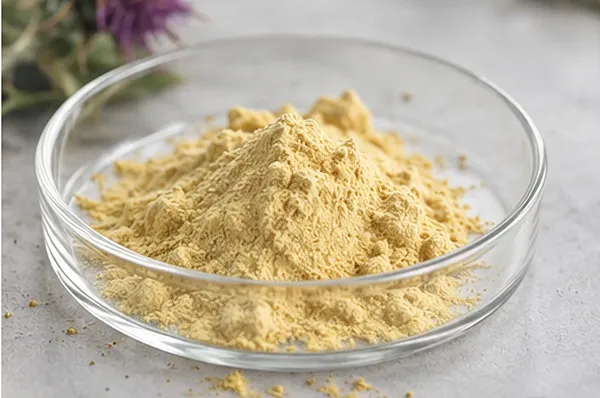
| Appearance | White to Light Yellow Powder |
| CAS No. | 84604-20-6 |
| Encapsulation Material | Sunflower Lecithin |
| Processing Method | Freeze-Drying |
| Assay Method | HPLC |
| Packaging | 1kg/bag, 25kg/drum, 18 drums/pallets |
| Storage Conditions | Normal Temperature (≤25°C), Sealed, Heat-Resistant, Light-Resistant, Moisture-Proof |
| Shelf Life | 24 Months |
| MOQ | 0.5kg |
| Sample Availability | Free samples available |
| Lead Time | 3 business days from stocks |
| Certification | FDA, ISO, HACCP, Halal, Kosher |
Milk Thistle Extract, Silymarin and Silybin
Milk thistle extract is derived from the milk thistle plant (Silybum marianum). Silymarin refers to a mixture of flavonolignans and related constituents found in milk thistle extract, while silybin is one of its principal flavonolignan components. These names are related, but they do not describe identical specifications. When comparing silymarin powder or liposomal silybin materials, check which component is standardized, how it is measured and whether the declared percentage applies to the final supplied powder.
Explore our broader liposomal ingredient options when reviewing materials for your supplement development project.


Liposomal Milk Thistle Characterization and Supporting Data
Technical characterization helps buyers assess the composition and physical properties of a liposomal milk thistle ingredient. Supporting data should identify the material tested, the preparation method and the conditions under which each result was obtained.
Phospholipid-Based Formulation
Evaluate the milk thistle component together with the phospholipid source, carrier ingredients and manufacturing information available for the selected grade. These details help establish an appropriate starting point for formulation trials.
A delivery-system description should be supported by relevant characterization. Particle size alone does not establish encapsulation efficiency, shelf life or improved absorption.
Particle Characterization
When reviewing particle-size images or reports, consider:
The sample identity and batch reference.
Whether the powder was reconstituted before measurement.
The instrument and sample-preparation method.
The measurement basis and reported distribution.
Whether the result represents a tested sample or a routine supply specification.
Results obtained using different methods should be interpreted according to their respective testing conditions.
Evidence Relevant to Your Ingredient
Published research can provide background on milk thistle and phospholipid-based delivery systems. Product-specific conclusions, however, require evidence relevant to the actual composition and manufacturing process.
Request the available technical documents to assess which findings apply to the material being considered for your project.
Particle Size Test Results:
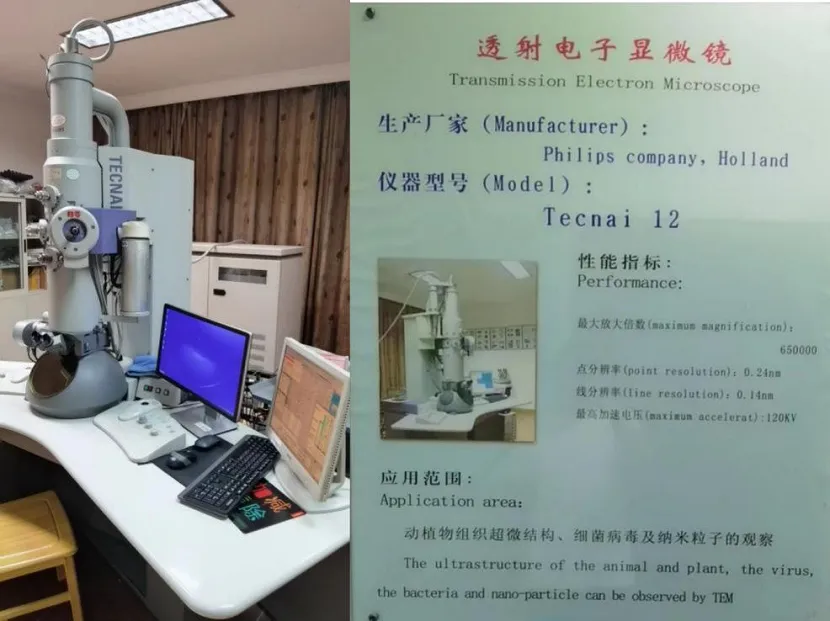
Experimental Instrument:
Transmission electron microscope
Test Result:
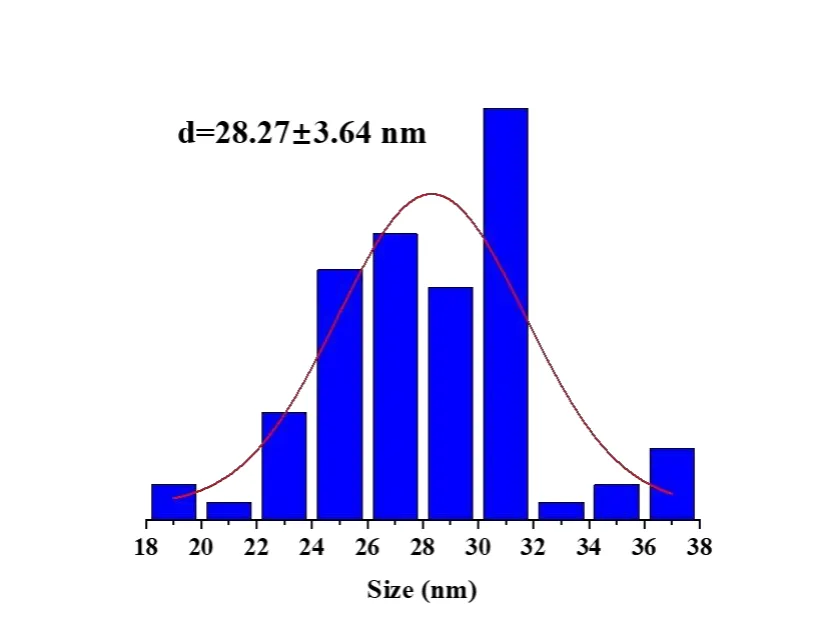
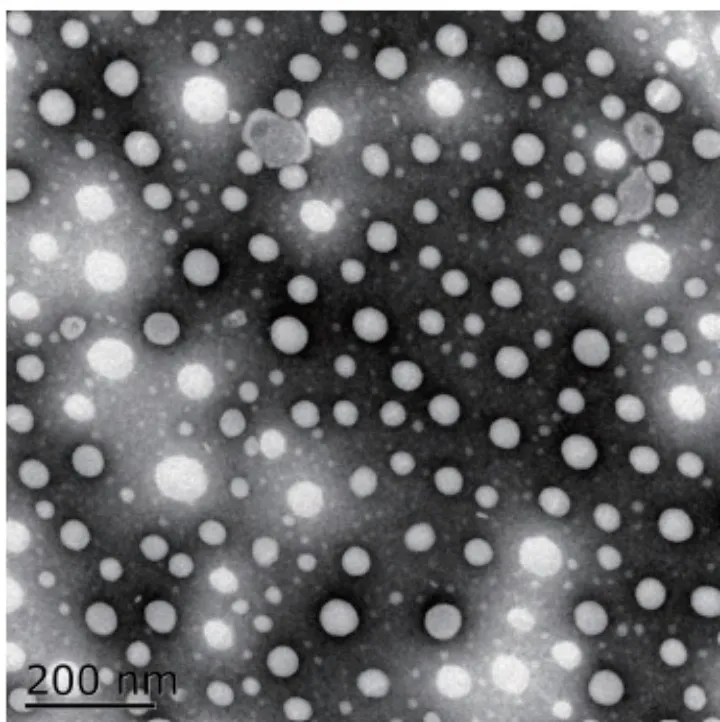
Particle size distribution under TEM:
Silymarin content of 30% and 50%, Regular spherical morphology, Excellent particle size distribution with an average diameter of 28 nm.
Formulation Applications for Liposomal Milk Thistle Powder
Formulation evaluation determines how a liposomal milk thistle powder performs within a proposed supplement. The appropriate application depends on active content, ingredient compatibility, processing conditions and finished-product requirements.
Capsule and Powder Development
For capsule projects, review the amount of powder needed to deliver the target active content, together with capsule capacity, blend properties and excipient compatibility.
For powder blends or sachets, assess mixing uniformity, moisture sensitivity, sensory characteristics and storage requirements during development.
| Development Area | Points to Evaluate |
| Active-Content Calculation | The amount of supplied powder required to deliver the target standardized component |
| Capsule Filling | Fill weight, capsule capacity, flow and blend consistency |
| Powder Blending | Mixing performance, segregation and compatibility with other ingredients |
| Processing Conditions | Exposure to moisture, heat and mechanical processing |
| Packaging | Protection appropriate to the formulation and proposed storage conditions |
Review Each Dosage Form Individually
Suitability for one format does not automatically establish suitability for another. Tablets, gummies, beverages and other processed formats may require additional assessment before use.
For example, beverage development may require evaluation of dispersion behavior and compatibility with the intended liquid system. Gummy and other heat-processed products may require assessment of processing temperatures, moisture exposure and the stability of the relevant ingredient components.
Share your proposed ingredients, processing steps and finished-product requirements so the evaluation can focus on your intended application.
For projects moving from ingredient selection to a finished supplement, discuss our liver health capsule development options.
Regulatory Status:
l China: Used as a raw material in health food products.
l Canada: Health Canada's Food and Nutrition Directorate has evaluated the safety of milk thistle seed extract based on available data and concluded that there is sufficient evidence to confirm its safe use as a supplemental ingredient in food supplements under specific conditions. Health Canada permits the use of milk thistle seed extract (silymarin) as a supplemental ingredient in food supplements, with a maximum daily dose of 600 mg.
Advantages of Liposomal Silybin:
1. Use of Sunflower Lecithin as Encapsulation Material: Sunflower lecithin, with its high oleic acid content, offers superior antioxidant properties, reducing oxidation and rancidity during storage and extending product shelf life.
2. Freeze-Drying Process: Significantly slows the oxidation rate of phospholipids, delaying lipid degradation and improving drug encapsulation efficiency.
3. High Silybin Content and Bioavailability: Ensures a high concentration of active ingredients with enhanced bioavailability.

 EN
 fr
 de
 ru






 COA-LSIL260701-35% Sunflower Lecithin Freeze-drying
 Call us on:
 Email Us:
 Office Add:
