How Are Fish Oil Capsules Made? The Softgel Manufacturing Process
Fish oil capsules are made by preparing a fish oil fill, producing a compatible softgel shell, and sealing the oil inside capsules during encapsulation. The softgels are then dried, inspected, tested and packaged.
Oil extraction, refining and concentration may take place upstream at an ingredient supplier. The softgel manufacturer then works with approved oil and shell materials to produce the finished supplement.
For brands and importers, understanding these stages helps distinguish a complete manufacturing proposal from a quotation that specifies only capsule size and bottle count.
How Are Fish Oil Capsules Made? Step-by-Step Process
Fish oil softgel manufacturing converts an approved oil formulation and shell material into sealed, dried capsules with defined quality specifications.
Fish Oil Selection and Fill Preparation
Production begins with the required oil profile, including EPA, DHA, total omega-3 content and oil form. Supplier qualification and incoming-material checks help establish that the oil matches the agreed specification.
Refining, purification and concentration methods vary with the source and target grade. Buyers should confirm which operations are performed upstream and which are handled by the softgel manufacturer.
Before encapsulation, the fill may be blended with approved antioxidants or complementary ingredients. Mixing and handling should maintain uniformity while controlling unnecessary exposure to air, heat and light.
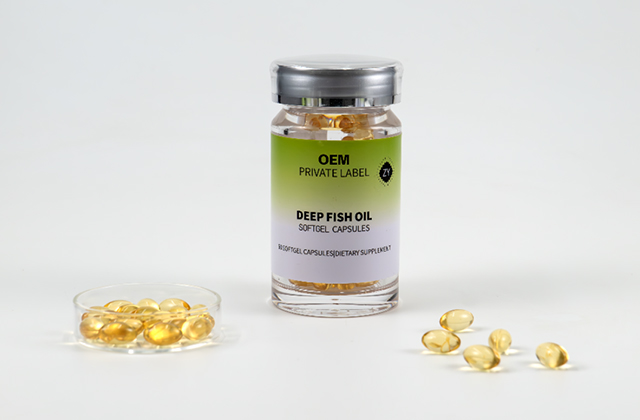
OriginBio's private label fish oil softgels provide a starting point for discussing EPA/DHA profiles, capsule requirements and combination formulas.
Softgel Shell Preparation
A conventional gelatin shell uses gelatin, water and a plasticizer. Alternative shell systems require their own composition and processing conditions.
Shell selection affects appearance, filling compatibility, drying and finished-product performance. A plant-derived shell does not make fish oil vegan because the fill remains fish-derived.
Encapsulation and Sealing
In a common rotary-die process, two shell ribbons meet around a metered oil fill. The equipment forms, fills, seals and cuts the capsules in a continuous operation.
Fill consistency and seam integrity matter at this stage. Poor sealing or unsuitable shell conditions can contribute to leakage, deformation and downstream handling problems.
Drying and Conditioning
Freshly formed softgels require controlled drying to reach the intended shell condition. The process must balance handling strength with appropriate flexibility.
Drying requirements depend on the shell, fill and equipment. A single temperature or drying time should not be assumed suitable for every formulation.
Inspection and Batch Release
Finished softgels are checked against the approved specification. Relevant controls may include appearance, fill weight, leakage, active content and shell performance.
Packaging should proceed through the agreed quality-release process, with traceable production and testing records.
Packaging
Bulk softgels, bottled products and blister packs require different packing arrangements. Container selection, seals, labels and storage instructions should match the approved product.
Review supplement packaging options alongside the formulation rather than treating packaging as a final design decision.
Oxidation Control and Fish Oil Softgel Quality Checks
Fish oil quality control evaluates both the condition of the oil and the performance of the finished capsule.
Understanding Oxidation Indicators
Peroxide value, or PV, assesses primary oxidation products. The p-anisidine value, or p-AV, assesses certain secondary oxidation products. TOTOX combines the two:
TOTOX = 2 × PV + p-AV
For the relevant oil categories covered by its quality section, the Codex Standard for Fish Oils lists these limits:
| Indicator | Codex Reference Limit |
|---|
| Peroxide Value | ≤5 meq/kg oil |
| Anisidine Value | ≤20 |
| TOTOX | ≤26 |
These are reference requirements for the applicable categories, not OriginBio batch-test results. The standard identifies exceptions and states that this oxidation section does not apply to flavored fish oils where flavorings may interfere with analysis.
The GOED voluntary monograph also explains oxidation testing and analytical considerations. Buyers should identify the applicable specification and method for their exact oil or finished formulation.
Oil Quality and Capsule Quality Are Different
An acceptable oil report does not establish that the softgel has been filled consistently, sealed properly or packaged appropriately.
| Quality Area | What Buyers Should Review |
|---|
| EPA/DHA Content | Assay results and whether values are stated per gram, capsule or serving |
| Oxidation | Method, sample type, batch reference and agreed limits |
| Contaminants | Relevant testing scope and acceptance criteria |
| Fill Weight | Target weight and consistency controls |
| Seal Integrity | Leakage and seam-inspection requirements |
| Shell Performance | Applicable disintegration or other agreed checks |
| Stability | Evidence linked to packaging and storage conditions |
OriginBio's finished-product testing information can support discussions about the checks required for a proposed order.
Documentation Supports Traceability
Specifications, material records, production records and testing results should remain connected to the same product and batch.
For US-market projects, the FDA’s dietary supplement manufacturing guidance explains requirements concerning specifications, quality control and records. A manufacturing statement alone should not replace review of the relevant documents.
What Should Buyers Confirm Before Production?
A production brief defines the oil, capsule, packaging and acceptance requirements that the manufacturer is being asked to deliver.
Fish Oil Weight Is Not EPA and DHA Content
A capsule containing 1,000 mg of fish oil does not necessarily contain 1,000 mg of EPA and DHA.
For illustration, a specification listing 180 mg EPA and 120 mg DHA supplies 300 mg of those two fatty acids combined. Other omega-3 components, if present, should be accounted for separately. Also check whether the label values describe one capsule or a multi-capsule serving.
Compare Quotations on the Same Basis
| RFQ Item | Information to Specify |
|---|
| Oil Specification | Source, oil form and EPA/DHA profile |
| Capsule Fill | Fish oil weight and any additional ingredients |
| Shell | Material, size, shape and appearance |
| Packaging | Bulk, bottle or blister; count and artwork requirements |
| Testing | Agreed methods, limits and documents |
| Order Quantity | Finished units and packaging configuration |
| Schedule | Material, sample, artwork and production milestones |
Flavoring, odor-control options or specialized shells should be named in the brief rather than assumed. Any proposed shelf life should be supported for the actual formulation and packaging.
Conclusion
Fish oil capsule production combines oil selection, fill preparation, shell formation, encapsulation, drying, testing and packaging. Each stage contributes to the finished specification.
For B2B buyers, the most useful comparison is between clearly defined products and documented controls. Keep oil weight separate from EPA/DHA content, distinguish oil testing from capsule testing, and confirm the scope of manufacturing and packaging.
OriginBio can discuss fish oil softgel formulation and private label requirements. Share your target EPA/DHA profile, capsule format, quantity and packaging brief to request a relevant proposal.
FAQs
How are fish oil pills made?
Most fish oil pills are softgels made by sealing an oil fill inside a compatible shell, followed by drying, inspection, testing and packaging.
What are fish oil capsule shells made of?
Conventional shells contain gelatin, water and a plasticizer. Alternative shell systems are available, subject to formulation and manufacturing compatibility.
Does 1,000 mg of fish oil mean 1,000 mg of omega-3?
No. Fish oil weight includes more than EPA and DHA. Check the declared amounts and serving size separately.
Why are fish oil softgels dried after encapsulation?
Drying brings the shell to the intended condition for strength, flexibility and handling. Requirements vary with the shell and fill.
What do PV, p-AV and TOTOX measure?
They assess aspects of oil oxidation. Interpretation depends on the method and sample; flavorings can interfere with some measurements.
What documents should buyers request before ordering?
Request the product specification, relevant COA, agreed testing scope, packaging details, storage instructions and supporting shelf-life information.
OriginBio
A reliable one stop nutrition supplement contract manufacturing partner
 EN
 fr
 de
 ru









 Call us on:
 Email Us:
 Office Add:
