Liposomal Milk Thistle Extract: Benefits, Absorption, and Formulation Advantages
Liposomal milk thistle extract is an advanced delivery form designed to address the low water solubility and limited oral bioavailability of conventional silymarin. By encapsulating milk thistle extract in phospholipid-based vesicles, liposomal technology can improve dispersion, protect active ingredients, and support more efficient nutrient delivery. These advantages make liposomal milk thistle extract a promising ingredient for dietary supplements and functional nutrition products in various dosage forms, including capsules, tablets, liquid supplements, and powdered beverages. This article explores how liposomal technology works, its key formulation advantages, the potential liver-protective mechanisms of silymarin, and the factors manufacturers should consider when developing liposomal products.
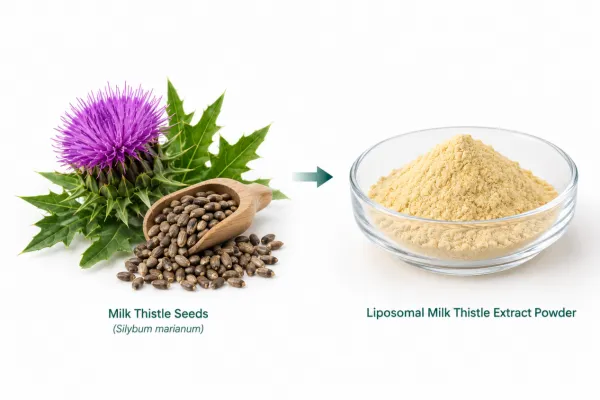
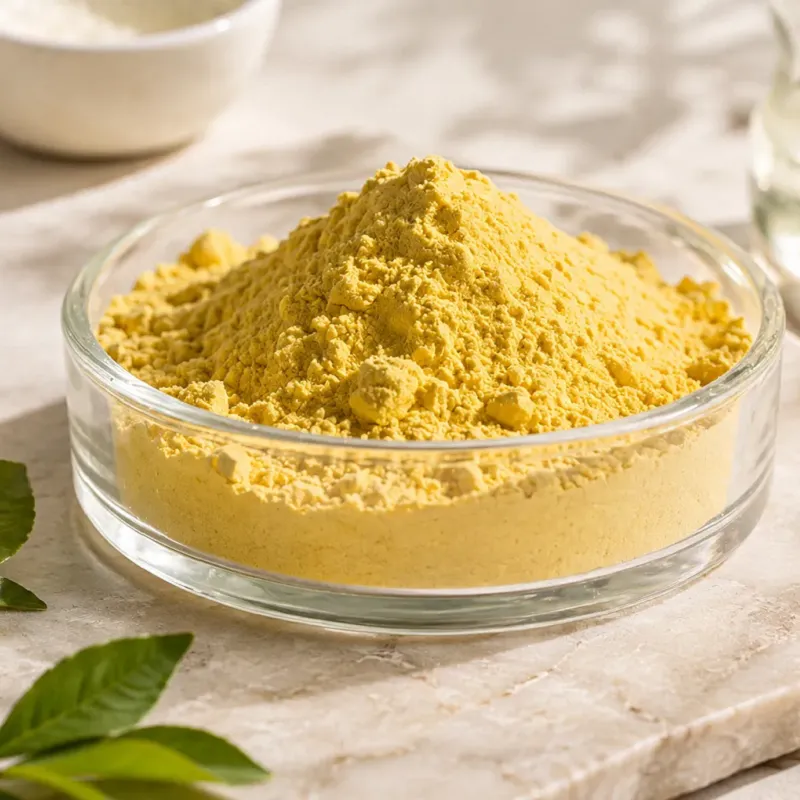
Figure 1: Liposomal milk thistle extract powder
Traditional Limitations of Silymarin and the Breakthrough of Liposomal Technology
Silymarin is a group of natural flavonolignans extracted from the seeds of milk thistle (Silybum marianum), a plant in the Asteraceae family. Its main active constituents include silybin, silydianin, and silychristin. Conventional silymarin has low water solubility (<0.04 mg/mL) and very low oral bioavailability (approximately 0.95%), meaning that much of the ingested active material may not be effectively absorbed. These limitations can restrict its potential clinical applications.
The development of liposomal technology offers a way to address some of these challenges. Liposomes are nanoscale carriers formed by phospholipid bilayers, with a structure similar to that of human cell membranes. They can encapsulate silymarin and may improve its dispersion and stability. This distinctive structure can increase the apparent solubility of silymarin in suitable formulations and may help facilitate its absorption.
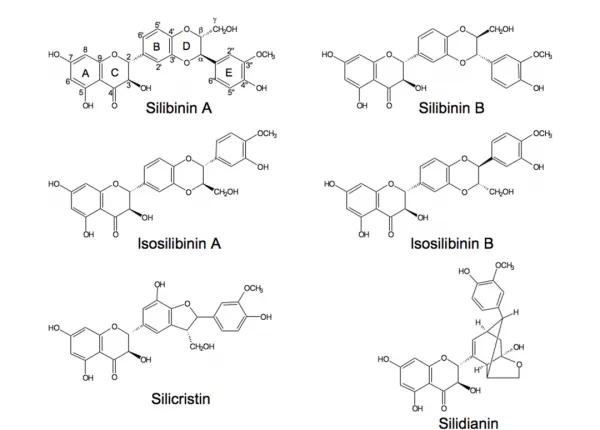
Figure 2: Molecular Structures of the Main Constituents of Silymarin
Research has reported several potential advantages of liposome-encapsulated silymarin (Sily-Lip) compared with conventional formulations:
3.5-fold increase in bioavailability: Phospholipid encapsulation may reduce uptake by the mononuclear phagocyte system and prolong circulation time.
Encapsulation efficiency of up to 90%: This may help retain a high proportion of the active ingredient within the carrier.
Targeted delivery: Surface ligands, such as N-acetyl-D-galactosamine, can be added to formulations to support preferential accumulation in the liver.
Sustained release: The formulation may provide more gradual release of the active ingredient and prolong its release period.
Table 1. Key Differences Between Conventional Silymarin and Liposomal Silymarin
Feature | Conventional Silymarin | Liposomal Silymarin |
Solubility | Very low (<0.04 mg/mL) | Significantly improved |
Oral bioavailability | Approximately 0.95% | Reported to increase by up to 3.5-fold |
Encapsulation efficiency | Not applicable | Up to 90% |
Targeting | No specific distribution | Liver targeting may be supported by surface modification |
Stability | Susceptible to oxidative degradation | Phospholipid protection may improve stability |
Five Key Competitive Advantages of Liposomal Milk Thistle Extract
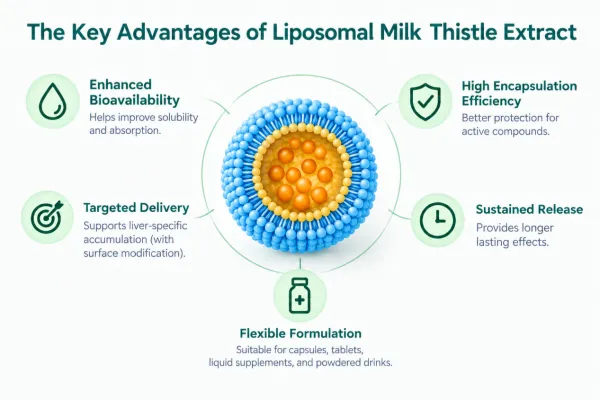
Figure 3: Key Advantages of Liposomal Milk Thistle Extract
Improved Aqueous Dispersion Expands Formulation Applications
Natural silymarin is practically insoluble in water, which can make it difficult to incorporate directly into oral liquids, powdered drink mixes, and liquid nutritional products. In liposomal milk thistle formulations, silymarin is encapsulated within phospholipid bilayer vesicles, while nanoscale liposomes are dispersed throughout the aqueous phase. This can produce a clear, stable dispersion that resists phase separation and sediment formation during storage under suitable conditions. The ingredient may be supplied as a liquid liposomal concentrate or further processed by spray drying into a water-dispersible powder. These formats may be suitable for oral liquids, effervescent tablets, powdered drink mixes, and functional beverages, expanding the dosage-form opt
Controlled Particle Size Can Improve Encapsulation
Liposomes produced using conventional homogenization methods may have a broad particle-size distribution, and some vesicles may have incomplete structures that allow active ingredients to leak out. The described liposomal silymarin process uses fixed geometric microchannels for standardized nanoscale processing, allowing the liposome particle-size range to be controlled more precisely. More uniform vesicles with compact structures may improve silymarin encapsulation. Reducing the amount of unencapsulated material that precipitates can improve system stability and help preserve active ingredients during storage.
Protection from Gastrointestinal Conditions and Potential Reduction of First-Pass Loss
The phospholipid structure of liposomes resembles that of human cell membranes. After oral administration, the lipid shell may act as a protective barrier against gastric acid and digestive enzymes, potentially reducing premature degradation of silymarin in the stomach. Unlike free silymarin, which is subject to intestinal absorption and portal circulation-related metabolism, some lipid-based delivery systems may use intestinal lymphatic pathways. Depending on the specific formulation, this could reduce first-pass metabolism and affect the amount of active ingredient reaching the liver.
Potentially Improved Absorption with Lower Ingredient Loads
Poor absorption is one of the challenges affecting the delivery of silymarin. A substantial proportion of conventional silymarin may not cross the intestinal barrier efficiently. The small size of nanoliposomes produced by microfluidization may help them interact with the intestinal mucus layer, while phospholipid vesicles may interact with intestinal epithelial membranes and influence the delivery of silymarin. Compared with conventional silymarin, liposomal formulations may improve absorption at an equivalent ingredient load. The extent of any improvement depends on the formulation and should be confirmed with relevant experimental or clinical evidence.
Scalable Processing for Research, Development, and Commercial Manufacturing
Some nanoformulations perform well at laboratory scale but show substantial changes in quality when production is scaled up. High-pressure microfluidization can offer a route to transferring process parameters from laboratory and pilot production to larger-scale manufacturing. Parameters such as pressure and the number of processing cycles may be carried over and optimized for scale-up. With appropriate process validation and quality control, this approach can help maintain consistent particle size, encapsulation efficiency, and water dispersibility, supporting the transition from formulation development to commercial production.
Multiple Potential Mechanisms of Liver Protection
Liposomal silymarin is proposed to support liver protection through several mechanisms, which have been investigated in in vitro and in vivo studies. Silybin, one of the principal active constituents of silymarin, has been studied for its interactions with liver cell membranes, including potential effects on membrane integrity and liver-cell recovery.
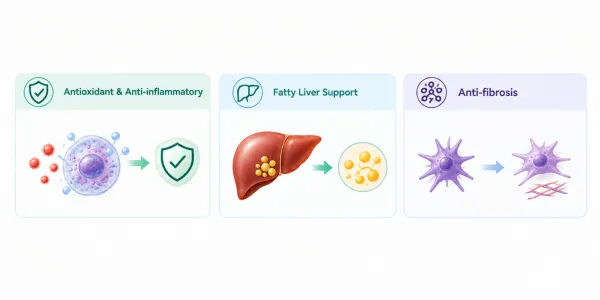
Figure 4: Mechanisms of Liver Protection
1. Antioxidant and anti-inflammatory activity: Silymarin has been reported to scavenge free radicals, including DPPH radicals and superoxide anions, and to increase glutathione (GSH) levels in liver cells, thereby supporting overall antioxidant capacity in experimental models. In studies of inflammatory pathways, silymarin has also been associated with reduced expression of pro-inflammatory cytokines, including TNF-α, IL-1β, and IL-6, which may help moderate inflammatory responses in the liver.
2. Potential effects on fatty liver-related markers: Clinical studies on products containing silybin indicate that the preparation may promote fatty acid oxidation, inhibit endogenous fat synthesis, and facilitate hepatic fat transport, potentially lowering liver triglyceride and free-fatty-acid levels. A 16-week observation reportedly found a significant reduction in alanine aminotransferase (ALT) among users of a product containing liposomal silymarin, along with changes in liver-function markers. The exact formulation and study design should be checked before attributing these findings specifically to liposomal silymarin.
3. Research on liver fibrosis: Solid lipid nanoparticles containing silymarin (SIL-SLN) have been investigated for their potential to target hepatic stellate cells (HSCs), inhibit the TGF-β1/Smads signaling pathway, and reduce extracellular matrix (ECM) deposition. These effects may slow the progression of fibrosis in experimental models. Animal studies have reported greater protective effects against liver fibrosis for SIL-SLN than for conventional silymarin; these findings should not be interpreted as proof of clinical efficacy in humans.
Table 2. Multiple Potential Mechanisms of Liver Protection Associated with Silymarin
Mechanism | Potential Effect |
Cell membrane stabilization | May help maintain liver-cell membrane integrity and support cell recovery. |
Antioxidant activity | Scavenges free radicals and may increase GSH levels. |
Anti-inflammatory activity | May reduce the expression of TNF-α, IL-1β, and IL-6. |
Lipid metabolism regulation | May promote fat breakdown, inhibit synthesis, and facilitate transport. |
Potential anti-fibrotic activity | Targets HSCs in experimental systems and may inhibit the TGF-β1/Smads pathway. |
Conclusion
Liposomal milk thistle extract offers a promising approach to overcoming some of the formulation challenges associated with conventional silymarin, particularly its poor water solubility and limited oral bioavailability. Phospholipid encapsulation can help improve ingredient dispersion, protect active compounds, and support the development of more versatile supplement formulations.
Beyond its potential benefits for ingredient delivery, liposomal technology offers practical advantages for product developers, including flexibility in dosage forms, opportunities for formulation optimization, and the potential for scalable manufacturing. However, the actual performance of a liposomal ingredient depends on factors such as particle size, encapsulation efficiency, formulation stability, and the supporting evidence for its intended application.
For dietary supplement brands and ingredient manufacturers, selecting a suitable liposomal milk thistle extract requires evaluating both its technical specifications and its compatibility with the target product. A well-designed formulation can help create differentiated products that meet evolving market demands for advanced delivery systems and convenient supplement formats.
FAQ
1. What is the difference between conventional milk thistle extract and liposomal milk thistle extract?
Conventional milk thistle extract contains silymarin, a group of bioactive compounds known for their potential liver-protective properties. However, silymarin has limited water solubility and relatively low oral bioavailability. Liposomal milk thistle extract uses phospholipid-based vesicles to encapsulate the active ingredients, helping improve dispersion and protect the compounds within the formulation. The actual improvement in bioavailability depends on the specific formulation and supporting research.
2. What types of products can be formulated with liposomal milk thistle extract?
Liposomal milk thistle extract can be explored for a range of dietary supplement applications, including capsules, tablets, liquid supplements, functional beverages, and powdered drink mixes. Depending on the manufacturing process, it may be supplied as a liquid dispersion or converted into a powder for easier handling and incorporation into different formulations. Compatibility, stability, and processing conditions should be evaluated for each finished product.
3. What specifications should manufacturers evaluate when sourcing liposomal milk thistle extract?
Manufacturers should evaluate the silymarin content, phospholipid composition, particle size distribution, encapsulation efficiency, stability, solubility or dispersibility, and applicable quality documentation. Manufacturing consistency and scalability are also important when moving from formulation development to commercial production. Suppliers should provide relevant technical data and supporting documentation to help buyers assess ingredient suitability for their intended applications.
Explore Liposomal Milk Thistle Extract for Your Next Formulation
Looking for a liposomal milk thistle extract ingredient for your dietary supplement or functional nutrition product? OriginBio can help you explore ingredient specifications, formulation options, and potential applications based on your product development requirements.
Contact our team to discuss your target dosage form, silymarin content, quality requirements, and sourcing needs. Request technical information to evaluate whether our Liposomal Milk Thistle Extract is suitable for your next project.
Interested in learning more? Visit our Liposomal Milk Thistle Extract product page to explore the ingredient and contact us at sales@originbionutra.com for further details.
References
1. Silymarin liposomes improves oral bioavailability of silybin besides targeting hepatocytes, and immune cells. 2014.
2. Silymarin loaded liposomes for hepatic targeting: in vitro evaluation and HepG2 drug uptake. 2013.
3. Tighe SP, et al. Chronic Liver Disease and Silymarin: A Biochemical and Clinical Review. Journal of Clinical and Translational Hepatology. 2020.
4. Formulation Strategies for Enhancing the Bioavailability of Silymarin: The State of the Art. 2019.
5. Milk thistle (Silybum marianum): A concise overview on its chemistry, pharmacological, and nutraceutical uses in liver diseases. 2018.
6. Manconi M, et al. Oral delivery of natural compounds by phospholipid vesicles. Nanomedicine. 2020;15(18):1795-1803.
7. Javed S, Kohli K, Ali M. Reassessing bioavailability of silymarin. Alternative Medicine Review. 2011;16(3):239-249.
OriginBio
A reliable one stop nutrition supplement contract manufacturing partner
 EN
EN
 fr
fr  de
de  ru
ru 








 Call us on:
  Email Us:
  Office Add: