The anti-aging market is no longer limited to beauty care or traditional senior nutrition. It is becoming a broader healthy-aging category driven by demographic change, preventive health awareness, cellular science, and more specialized consumer needs. According to WHO data cited in the source document, between 2015 and 2050 the proportion of the global population aged over 60 is expected to nearly double, rising from 12% to 22%. [1] At the same time, the global anti-aging industry continues to expand, with market estimates pointing to sustained growth through 2035. [2]
As the dietary supplement market enters a more refined stage, anti-aging product innovation is moving beyond simple antioxidant claims. The next phase is being shaped by compliance-ready hero ingredients, natural plant polyphenols, cellular energy nutrients, and function-specific formulas designed for clearly defined consumer scenarios. These ingredients are reshaping how brands communicate value: from single-effect products to science-led, experience-driven, and more personalized healthy-aging solutions.
NAD+ and Cellular Energy: NMN, PQQ, CoQ10, ALA and AKG
The first major direction in anti-aging supplement development is the rise of ingredients that combine strong consumer awareness with clearer regulatory positioning. These ingredients often become category anchors because they are easy for consumers to understand and flexible for brands to formulate.
NMN: From NAD+ Precursor to Mainstream Supplement Ingredient
NMN, or nicotinamide mononucleotide, is widely known as a precursor that can be converted into NAD+, a key coenzyme involved in cellular energy metabolism. According to the source document, in September 2025 the FDA formally confirmed that NMN was not included in the drug exclusion list, allowing it to be legally sold as a dietary supplement and removing a major compliance concern for the market. [3]
Japan has used NMN as a food ingredient for many years and remains one of the world’s major NMN production and consumption markets. Canada classifies NMN as a Natural Health Product, while Australia’s TGA approved NMN as a permitted ingredient for listed complementary medicines in December 2025. This broader regulatory momentum is helping NMN shift from a niche longevity ingredient into a more mainstream anti-aging supplement material.
PQQ: Mitochondrial Support and Cellular Vitality
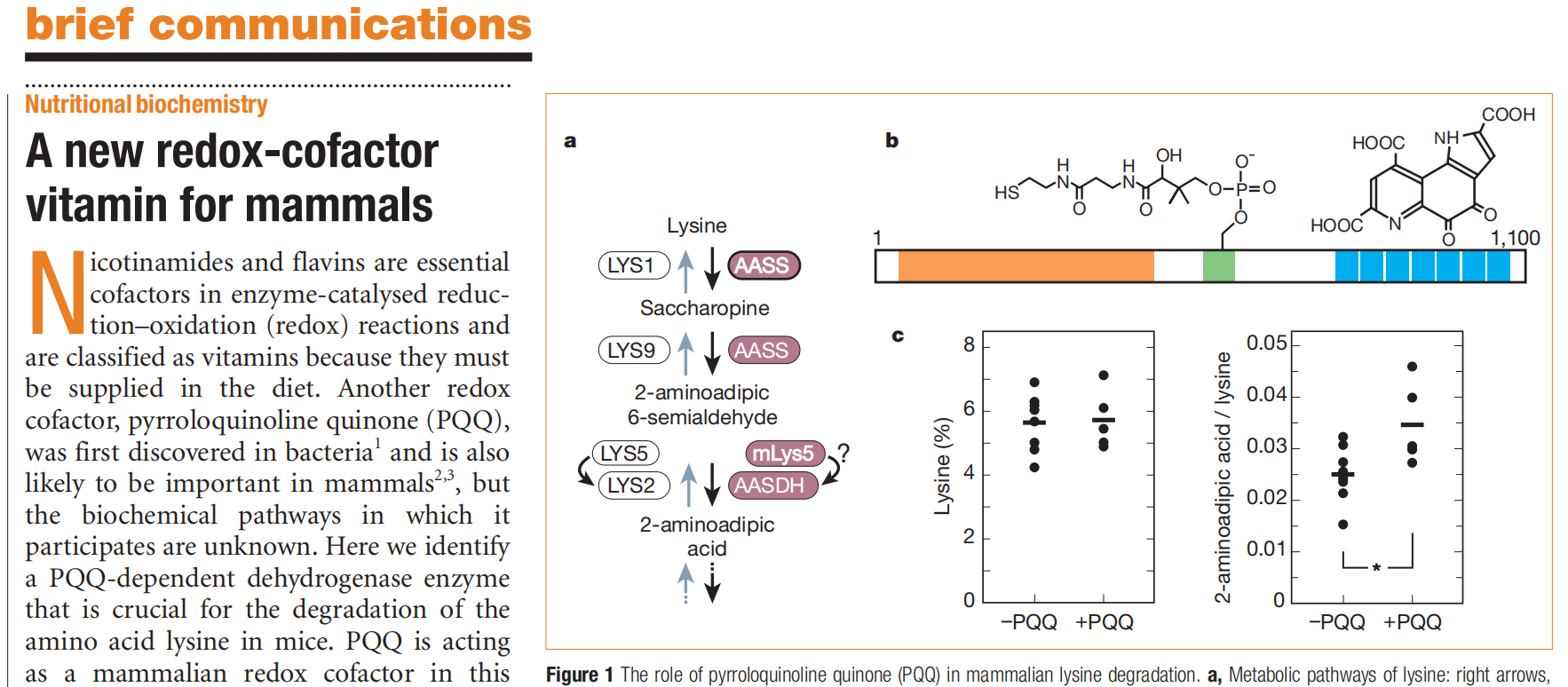
PQQ, short for pyrroloquinoline quinone, was first discovered during bacterial growth. It is a naturally occurring redox cofactor and has been discussed by researchers as a potential vitamin-like nutrient following nicotinamide, known as vitamin B3, and riboflavin, known as vitamin B2. A study published in Nature once proposed that PQQ could be considered a new redox cofactor vitamin for mammals. [4]
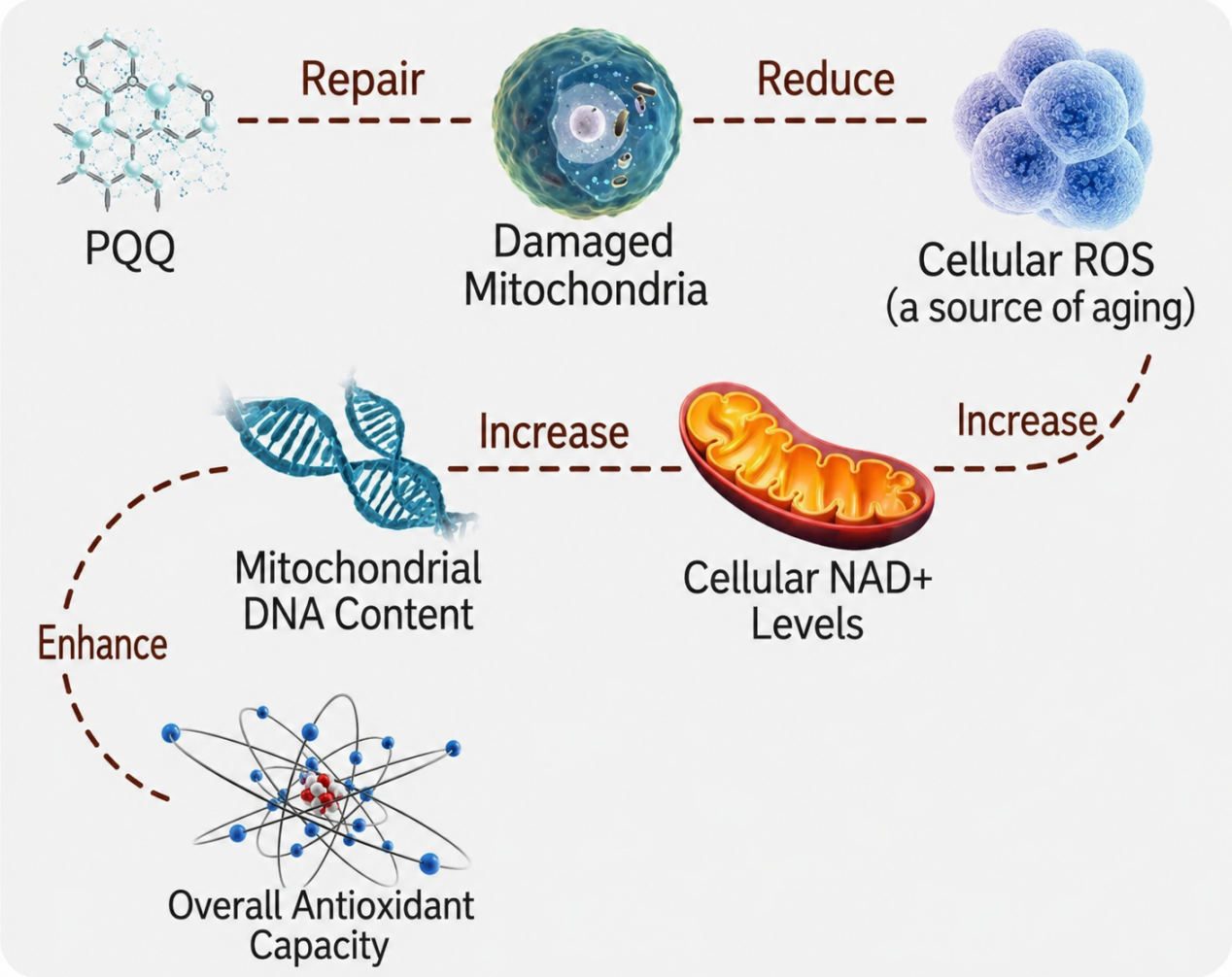
Unlike traditional antioxidants such as vitamins C and E, PQQ is not only associated with free-radical neutralization. It is also positioned as a mitochondrial biogenesis factor that may help promote the growth and proliferation of mitochondria. Because mitochondria are the cell’s energy factories and are responsible for generating ATP, supporting mitochondrial function is becoming one of the most important scientific narratives in healthy-aging nutrition.
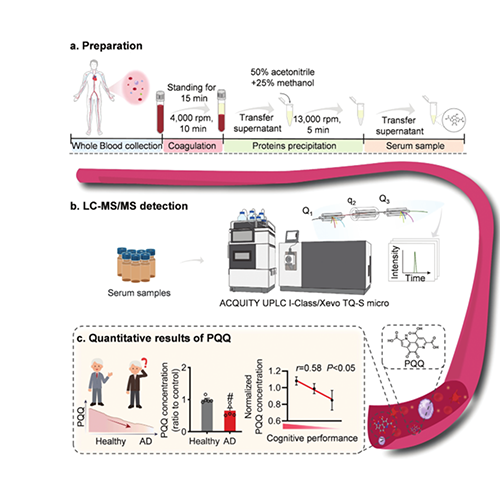
PQQ is also being studied for its potential role in nervous system support. It may help promote the production of nerve growth factor, or NGF, which is associated with neuronal growth, repair, and function. In the field of Alzheimer’s disease research, a paper published in Advanced Science titled “Deep Learning-Driven Exploration of Pyrroloquinoline Quinone Neuroprotective Activity in Alzheimer’s Disease” suggested that PQQ may have potential as a vitamin-like supplement for high-risk populations. [5]
In commercial formulations, PQQ is frequently combined with NMN, ergothioneine, spermidine, probiotics, and other cellular nutrition ingredients. The combination of PQQ and NMN is especially common because the two ingredients are often positioned as complementary: NMN supports NAD+ pathways, while PQQ supports mitochondrial function and cellular energy signaling. [6]
CoQ10, Alpha-Lipoic Acid and AKG
Coenzyme Q10 is naturally associated with mitochondrial energy production and antioxidant activity. A CoQ10 supplement anti aging concept is especially relevant for consumers interested in vitality, heart health positioning and energy support. Because CoQ10 is fat-soluble, formulators often consider enhanced delivery formats, lipid systems or softgel applications to improve product experience and differentiation.
Alpha-lipoic acid, or ALA, is a vitamin-like compound with antioxidant and anti-glycation relevance. It is often positioned as a network antioxidant because it can interact with antioxidant systems such as vitamin C, vitamin E, glutathione and CoQ10. AKG, or alpha-ketoglutarate, is another cell-energy ingredient. It is a key intermediate in the tricarboxylic acid cycle and is increasingly discussed as a healthy aging signal molecule, especially in active aging and longevity-inspired formulas.
Autophagy and Cellular Housekeeping: Spermidine and Ergothioneine
Spermidine: Technology Progress Expands Application Potential
Spermidine has gained attention as an ingredient linked to cellular renewal and healthy aging. Most spermidine supplements are not positioned as single-ingredient products; instead, they are usually designed as combination formulas. Common examples include spermidine with PQQ and reishi extract for anti-aging and sleep support, spermidine with collagen and PQQ for skin elasticity and vitality, and spermidine combined with NMN and PQQ for broader cellular energy positioning. [7]
As technology improves, spermidine is being used in a wider range of applications. It is no longer limited to dietary supplements, but is also appearing in functional foods and cosmetic-related concepts. For brands, spermidine offers formulation flexibility across beauty-from-within, cellular vitality, and healthy-aging categories.
Ergothioneine: A Rare Sulfur-Containing Amino Acid
Ergothioneine is a rare, naturally occurring sulfur-containing amino acid found in edible mushrooms, certain plants, and some animal-derived sources. It can be synthesized by microorganisms such as non-yeast fungi, actinomycetes, Streptomyces, Mycobacterium, and various mushroom species.
In industrial production, high-purity ergothioneine is mainly produced through biological fermentation, with purity levels that can exceed 99.9%. As consumers become more interested in antioxidant defense and cellular protection, ergothioneine is increasingly being positioned as a premium ingredient for healthy-aging formulas.
Plant Polyphenols: Natural Active Ingredients for Anti-Aging Nutrition
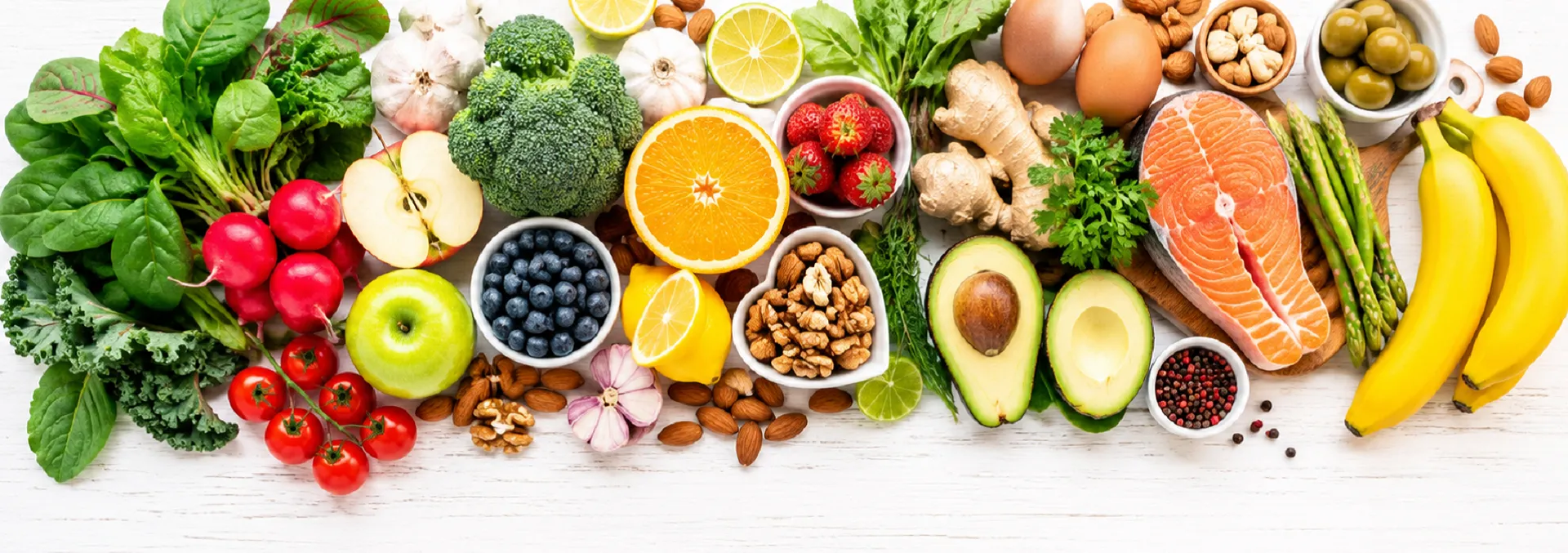
In recent years, Plant polyphenols are important because they give the anti-aging category a natural and familiar foundation. Consumers recognize fruits, vegetables, berries, grapes and mushrooms as healthy foods, so plant-derived antioxidants are easier to understand than many technical ingredients. Plant polyphenols, quercetin and fisetin are a core group of natural active ingredients aligned with healthy aging demand.
Quercetin
Quercetin is one of the most representative flavonoid compounds. It is commonly found in plant-based foods such as onions, apples, and berries. In plants, quercetin functions as a protective compound. For humans, it is valued as a natural active ingredient with multiple areas of potential support.
Quercetin is often described as a versatile ingredient because it can be positioned across several healthy-aging pathways, including antioxidant support, inflammation balance, and gut health. In anti-aging formulas, quercetin and fisetin are often considered a strong complementary pair, with quercetin helping to support the broader activity profile of fisetin in combined formulations.
Fisetin
Fisetin is a natural flavonoid compound found in fruits and vegetables such as strawberries, apples, and cucumbers. It is also present at relatively high levels in certain plants from the Anacardiaceae family, such as smoketree. In recent years, fisetin has been viewed as a rising ingredient in healthy-aging research because of its association with senescence-related pathways. [8]
For supplement brands, fisetin is attractive because it connects natural plant sourcing with the scientific language of cellular aging. This makes it suitable for premium formulas targeting longevity, healthy aging, and cellular maintenance.
Beauty Aging: Collagen, CoQ10 and Skin Structure
Beauty-from-within remains one of the clearest entry points for anti-aging nutrition. Consumers can easily understand changes in skin elasticity, hydration, firmness, hair health and nail quality. This makes collagen anti aging supplements a strong bridge between beauty, wellness and healthy aging.
Collagen peptides are usually positioned around dermal structure and skin elasticity. They can also be combined with vitamin C, hyaluronic acid, ceramides, elastin peptides, CoQ10 or plant antioxidants. For brands, the advantage of collagen is consumer familiarity; the challenge is differentiation. A strong formula should explain collagen type, peptide quality, dosage strategy, flavor compatibility and whether the product is designed for gummies, powder sticks, tablets, beverages or capsules.
CoQ10 also has a role in beauty aging because oxidative stress and energy metabolism are relevant to skin vitality. A formula combining collagen peptides, CoQ10 and resveratrol can target consumers who want visible beauty support and deeper cellular aging language in one product story.
Function-Specific Market Support: GLP-1 Companion Nutrition
Beyond traditional anti-aging pathways, functional recovery and targeted health support are becoming increasingly important. In the era of rapidly growing GLP-1 use, companion nutrition has become a new opportunity in the health and precision nutrition market. Ingredients such as novel proteins, dietary fiber, creatine, and AKK are expected to play a growing role in product development.
GLP-1 companion nutrition products are designed to support the needs that may emerge during weight-management programs. Protein is a key nutrient for muscle health, especially casein and whey protein, which can work well together. Traditional protein combinations, such as blends of animal and plant proteins, can also be strengthened with key amino acids such as leucine to provide additional muscle-support positioning.
Beyond protein, many other nutrients can be used to support muscle health, including creatine monohydrate and beta-hydroxy beta-methylbutyrate, commonly known as HMB. At the same time, dietary fiber and probiotics such as AKK can be included to support digestive comfort and more regular bowel movements. [10]
| Ingredient / Group | Healthy Aging Role | Typical Product Angle | Formulation Notes |
| NMN / NAD+ precursors | Cellular energy and NAD+ metabolism | Premium longevity-inspired capsules or powder sticks | Verify regulatory status and purity requirements by market |
| PQQ | Mitochondrial support and antioxidant capacity | Cell-energy, brain aging and active aging formulas | Often paired with NMN, CoQ10, spermidine or probiotics |
| CoQ10 | Mitochondrial energy and antioxidant support | Vitality, heart wellness and beauty aging | Fat-soluble; delivery format matters |
| Spermidine | Cellular housekeeping and renewal positioning | Healthy aging, sleep-support and beauty formulas | Works well in combination concepts |
| Ergothioneine | Rare amino-acid antioxidant positioning | Fermentation-based premium healthy aging | Strong clean-label and biotechnology story |
| Resveratrol / Quercetin / Fisetin | Plant polyphenols and cellular stress response | Natural longevity and antioxidant formulas | Manage bioavailability and claim language carefully |
| Collagen peptides | Skin structure, elasticity and beauty-from-within | Powders, gummies, beverages and sachets | Differentiate by peptide quality, sensory design and cofactors |
| Berberine | Metabolic wellness and healthy aging support | Metabolic aging, GLP-1 companion nutrition and lifestyle formulas | Taste and compliance are key concerns |
| AKG / ALA | Cellular energy, antioxidant and metabolic pathways | Active aging and longevity-inspired formulas | Best used as part of a pathway-based system |
Formulation Strategy: Building Multi-Pathway Healthy Aging Products
A strong healthy aging formula should answer five questions. First, what biological pathway does it support? Second, what consumer problem does that pathway translate into? Third, how does the dosage and format support daily use? Fourth, how does the formula manage taste, stability and bioavailability? Fifth, what claims are allowed in the target market?
Delivery technology is also becoming more important. Ingredients such as CoQ10, curcumin, resveratrol and other fat-soluble compounds may benefit from formulation systems that improve dispersion or user experience. Bitter ingredients such as berberine, some polyphenols and mineral forms may require taste-masking, coating or capsule formats. The final product should be designed not only around ingredient popularity, but around absorption, stability, compliance and repeat purchase.
FAQ: Anti-Aging Trends and Ingredients
What are the most important anti aging supplements for healthy aging?
The most important anti aging supplements are those that support multiple aging-related systems, including NAD+ metabolism, mitochondrial energy, collagen structure, antioxidant balance, metabolic wellness and muscle maintenance. Strong examples include NMN, PQQ, CoQ10, collagen peptides, resveratrol, quercetin, fisetin, berberine, AKG, ALA and protein-based active aging nutrients.
Are anti-aging supplements different from beauty supplements?
Yes. Beauty supplements usually focus on skin, hair and nails, while anti-aging supplements cover a wider set of needs, including cellular energy, metabolism, cognition, muscle health, gut health and beauty-from-within. The strongest products often connect both areas.
How should brands choose one anti aging supplement concept?
Brands should start with the target consumer. A beauty consumer may prefer collagen peptides, hyaluronic acid and CoQ10. An active aging consumer may prefer protein, creatine, AKG and PQQ. A longevity-focused consumer may compare NAD+ supplements for anti-aging, NMN, spermidine, ergothioneine and plant polyphenols.
What makes supplements for anti aging more credible?
Credibility comes from clear mechanisms, transparent dosages, ingredient quality, stability data, sensory design and compliant claims. Articles should explain what the ingredient supports rather than promising to reverse aging.
Are resveratrol anti aging supplements still relevant?
Yes, but they need updated positioning. Resveratrol anti aging supplements should be presented as part of a broader plant-polyphenol strategy that supports antioxidant balance and healthy aging, rather than as a single miracle ingredient.
Where do berberine supplements for anti aging fit?
Berberine supplements for anti aging fit best in metabolic wellness and healthy aging concepts. They can support formulas focused on metabolic resilience, gut-health positioning and GLP-1 companion nutrition, provided claims comply with local regulations.
Conclusion: Anti-Aging Is Becoming a Healthy-Aging Ecosystem
The anti-aging supplement category is entering a more sophisticated stage. Consumers are no longer satisfied with simple antioxidant claims or generic beauty promises. They are looking for products that connect science, safety, natural sourcing, and clear functional benefits.
From NMN, PQQ, spermidine, and ergothioneine to plant polyphenols, quercetin, fisetin, ALA, AKG, and GLP-1 companion nutrition, the future of anti-aging supplements will be shaped by ingredients that support cellular energy, healthy metabolism, antioxidant defense, muscle maintenance, and overall vitality.
For brands, the opportunity is not only to add trending ingredients, but to build clear product logic around real consumer needs. The most competitive formulas will combine regulatory confidence, scientific storytelling, clean-label appeal, and practical everyday use. In this new stage, anti-aging is becoming less about reversing age and more about supporting a longer, stronger, and healthier life.
References
[1] WHO: Ageing and health.(.https://www.who.int/news-room/fact-sheets/detail/ageing-and-health)
[2] Custom Market Insights: Anti-Aging Market Report. (https://www.custommarketinsights.com/report/anti-aging-market/)
[3] Global Nicotinamide Mononucleotide (NMN) Competitive Landscape Professional Research Report.(Global Nicotinamide Mononucleotide (NMN) Competitive Landscape Professional Research Report)
[4] Kasahara T., Kato T. Nutritional biochemistry: A new redox-cofactor vitamin for mammals. Nature, 2003, 422(6934): 832.(Kasahara T., Kato T. Nutritional biochemistry: A new redox-cofactor vitamin for mammals [J]. Nature, 2003, 422(6934): 832)
[5] Xinuo Li, Yuan Sun, Zheng Zhou, et al. Deep Learning-Driven Exploration of Pyrroloquinoline Quinone Neuroprotective Activity in Alzheimer’s Disease. Advanced Science, 2024.(Xinuo Li , Yuan Sun , Zheng Zhou , et.al. Deep Learning-Driven Exploration of Pyrroloquinoline Quinone Neuroprotective Activity in Alzheimer's Disease. Adv Sci (Weinh). 2024 Mar 7:e2308970. doi: 10.1002/advs.202308970. PMID: 38454653.)
[6] Pyrroloquinoline Quinone (PQQ): Its impact on human health and potential benefits.( Pyrroloquinoline Quinone (PQQ): Its impact on human health and potential benefits)
[7] Wang Chaoyong, Chen Deyan, et al. Research progress on the neuroprotective effects and mechanisms of spermidine. Journal of Clinical Medicine in Practice, 2024, 28(2): 124-128.
[8] Fisetin is a senotherapeutic that extends health and lifespan.
[9] Evaluation of the efficacy of calcium alpha-ketoglutarate in improving human aging.
[10] Dietary supplement considerations during glucagon-like peptide-1 receptor agonist treatment: A narrative review.
OriginBio
A reliable one stop nutrition supplement contract manufacturing partner
 EN
EN
 fr
fr  de
de  ru
ru 







 Call us on:
  Email Us:
  Office Add: