Can Prebiotics Be Used in Capsules? A Guide Supplement Contract Manufacturers
Prebiotics are increasingly recognized as essential ingredients in promoting gut health, and their inclusion in capsule supplements has become a rising trend in the wellness and nutraceutical industries. But can prebiotics be used effectively in capsules? Let’s explore the characteristics of prebiotics, trends in capsule supplement production, and how our solutions can help you meet growing market demands.
Keywords: Probiotics manufacturer, Probiotic supplement manufacturers, Wholesale prebiotics capsules supplier price, Private label supplement manufacturers, Contract manufacturer, Capsule manufacturer.
Can Prebiotics Carry Capsules Safely
The key concerns around encapsulating prebiotics revolve around their stability, digestion, and interaction with the capsule material. Here's a breakdown of these factors:
1.Stability During Encapsulation
Prebiotics, especially fiber-based ones, are stable under normal conditions but can be sensitive to extreme temperatures or prolonged exposure to moisture. During the capsule manufacturing process, it’s essential to ensure the prebiotic’s integrity is maintained by controlling the temperature and humidity levels. Modern capsule production facilities are equipped to handle such sensitive ingredients with precision.
2.Digestibility and Bioavailability
Prebiotics must pass through the digestive system intact to reach the colon, where they have their most beneficial effects. Capsules are an ideal delivery format because they protect the prebiotic from stomach acid and digestive enzymes in the stomach, ensuring it survives the journey to the intestines. To further enhance the bioavailability of prebiotics, manufacturers may also use enteric coatings that help capsules dissolve at the right part of the digestive tract.
3.Compatibility with Capsule Materials
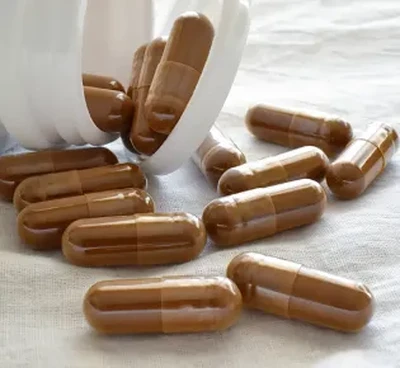
Prebiotics, especially fiber-based ones like inulin, are hygroscopic (they absorb moisture). This characteristic can affect the capsule’s structural integrity if the proper materials aren’t used. Plant-based, gelatin, and HPMC (Hydroxypropyl Methylcellulose) capsules are commonly used for prebiotic encapsulation. These materials can offer the necessary protection without interfering with the prebiotic’s function. When a prebiotic blend is delivered in capsule form, capsule supplement manufacturing considerations include fill volume, shell material, flowability and moisture control.
4.Combination with Other Ingredients
Prebiotics are often combined with probiotics in synbiotic formulations. In such combinations, it’s important to ensure that both ingredients are compatible and that the prebiotics do not degrade the probiotics (or vice versa) within the capsule. A well-designed capsule can ensure the stability of both ingredients.
For probiotic-prebiotic combinations, custom formulation support can help balance dosage targets with capsule capacity and ingredient compatibility.
Brands developing synbiotic concepts can review OriginBio's probiotic supplement manufacturing capabilities for probiotic, prebiotic and combination formulas.
How Do Prebiotics Perform Under Capsules
1. Protection from External Factors
One of the key benefits of encapsulating prebiotics is that the capsule serves as a protective barrier. Prebiotics, especially fibers like inulin or fructooligosaccharides (FOS), are sensitive to environmental conditions such as heat, humidity, and air exposure. Capsules, particularly those made from gelatin, HPMC (Hydroxypropyl Methylcellulose) or plant-based materials, protect the prebiotics from degradation during storage and handling, ensuring their potency remains intact until consumption.
2. Surviving Stomach Acid
Prebiotics are non-digestible by the human body, but they must survive the stomach's acidic environment in order to reach the intestines, where they exert their beneficial effects. Traditional capsule formulations can effectively shield the prebiotic from stomach acids, allowing it to pass through the stomach undisturbed. This makes capsules an excellent choice for delivering prebiotics to the target site in the gut.
For additional protection, enteric-coated capsules are sometimes used. These capsules dissolve in the small intestine rather than the stomach, ensuring that sensitive prebiotics are not degraded by stomach acid and reach their destination intact.
3. Controlled Release and Bioavailability
Once in the intestines, prebiotics must be able to interact with the gut microbiota. The release rate of prebiotics can be important, as a sustained or controlled release may provide more prolonged benefits to gut health. Capsules can be designed with sustained-release mechanisms, allowing the prebiotics to be released gradually over time. This ensures that the prebiotics have a more prolonged effect on the beneficial bacteria in the colon.
4. Ensuring Proper Dosage
One of the key advantages of encapsulating prebiotics is the ability to deliver a precise dosage. Capsules allow manufacturers to standardize the amount of prebiotics in each dose, which helps ensure that consumers receive the correct amount for optimal effectiveness. This is especially important for prebiotics, as the correct dose can vary depending on the type of prebiotic and the desired effect.
5. Interaction with Other Ingredients
Prebiotics are often combined with other ingredients, such as probiotics (in synbiotic formulations) or digestive enzymes. Encapsulation allows manufacturers to create complex formulas where prebiotics can work in synergy with these other ingredients. Prebiotics provide nourishment for the probiotics, helping them flourish in the gut, while probiotics help improve the overall gut microbiota balance. By encapsulating prebiotics and other ingredients together, manufacturers can create synergistic products that enhance the benefits for consumers.
6. Capsule Material Considerations
The type of capsule used can impact how well the prebiotics perform inside the capsule. Some prebiotics, such as those derived from inulin or FOS, are hygroscopic and can attract moisture. For this reason, capsule material needs to be moisture-resistant and stable under varying storage conditions. Plant-based capsules, such as those made from HPMC, are often used for their stability and ability to withstand moisture, while ensuring the prebiotics remain intact.
Factors That Prebiotics Safety and Suitability
1. Ingredient Quality and Purity
The first factor in ensuring the safety of prebiotics is the quality and purity of the ingredients used. Contaminants, impurities, or low-quality raw materials can compromise the safety of the product. High-quality prebiotics should be sourced from trusted suppliers and undergo rigorous testing to ensure they are free from harmful substances like pesticides, heavy metals, or microbial contamination.
Testing: Prebiotics should be tested for purity, potency, and absence of harmful contaminants to ensure they meet established safety standards.
Source Verification: Ethical sourcing from reputable sources, particularly for natural prebiotics, is vital to ensure the integrity and safety of the product.
2. Stability and Shelf Life
Prebiotics are often sensitive to environmental conditions like light, moisture, and heat. The encapsulation process must protect the prebiotics from degradation and ensure their stability throughout the product's shelf life.
Moisture Sensitivity: Some prebiotics, such as inulin or FOS, are hygroscopic (absorb moisture) and can degrade if exposed to excessive humidity. Proper encapsulation and packaging can prevent this.
Storage and Handling: Capsules and other delivery forms should be stored in conditions that prevent excessive exposure to heat or moisture to maintain prebiotic potency.
3. Digestive Tolerance
Although prebiotics are beneficial for gut health, they can sometimes cause digestive discomfort if consumed in excess or if the body is not accustomed to them. Common side effects may include bloating, gas, or mild digestive upset, particularly with fiber-based prebiotics like inulin.
Dose Control: It's crucial to provide appropriate dosages to avoid gastrointestinal distress. Gradually increasing the intake can help individuals build tolerance.
Individual Sensitivities: Some people may be sensitive to certain types of prebiotics, such as those with irritable bowel syndrome (IBS), so formulators must consider digestive tolerance when recommending doses.
4. Bioavailability
The bioavailability of prebiotics—how effectively they can reach and act on the gut microbiota—depends on their ability to survive the digestive process. Prebiotics must pass through the stomach and small intestine without being degraded by stomach acid or digestive enzymes.
Encapsulation Design: Capsules, especially those with enteric coatings or other protective mechanisms, ensure that prebiotics reach the intestines intact. This increases their bioavailability and efficacy.
Release Mechanisms: Delayed or controlled-release capsules can ensure that prebiotics are delivered gradually to the target areas of the gut for optimal effect.
5. Compatibility with Other Ingredients
Prebiotics are often combined with other active ingredients in supplements, such as probiotics (synbiotics) or vitamins. It’s essential to ensure that the prebiotic is compatible with these other ingredients and that the combination does not interfere with the stability, potency, or safety of the product.
Probiotic Stability: Some prebiotics, like FOS, are known to promote the growth of beneficial bacteria, but if they’re combined with probiotics, care must be taken to ensure that both ingredients remain viable within the capsule.
Formulation Synergy: The combination of prebiotics and other ingredients must be balanced to maximize efficacy. For instance, pairing prebiotics with digestive enzymes could enhance their impact.
6. Capsule Material and Integrity
The material of the capsule used for prebiotics plays an important role in both safety and suitability. The capsule should protect the prebiotic from external factors, such as moisture or air, and should not interfere with its function.
Hygroscopic Prebiotics: If the prebiotic is highly hygroscopic (moisture-absorbing), the capsule material should be chosen to prevent moisture absorption, which could compromise the prebiotic’s stability.
Vegetarian or Vegan Capsules: With the rise of plant-based and vegan diets, using vegetarian capsule materials like HPMC (Hydroxypropyl Methylcellulose) ensures the product is suitable for a broader audience.
Understanding Prebiotics for Applications
1.Functional Foods and Beverages
In the food and beverage industry, prebiotics are commonly added to functional foods to improve their health benefits. Some common applications include:
Dairy Products: Prebiotics are often added to dairy products like yogurt and kefir to improve gut health. They enhance the effects of probiotics, creating products with a greater combined benefit.
Snacks and Cereals: Inulin and FOS are often added to breakfast cereals, granola bars, and snacks to increase fiber content and promote gut health.
Beverages: Functional beverages like juices, smoothies, and flavored water may contain prebiotics to cater to consumers looking for gut-health benefits. Prebiotic fiber can be added to drinks without compromising taste.
Prebiotics in functional foods allow consumers to easily integrate gut health support into their daily routines through regular consumption of familiar products.
2.Skin Health
Emerging research suggests that prebiotics may also support skin health by influencing the gut-skin axis. The gut microbiome is known to have a direct effect on skin conditions like acne, eczema, and psoriasis.
Topical Prebiotic Products: Some skincare brands are incorporating prebiotics into topical products like moisturizers, serums, and masks. These prebiotics can help balance the skin microbiome, supporting healthier skin and reducing inflammation.
Gut-Skin Connection: By promoting a healthy gut microbiome, prebiotics indirectly support skin health, reducing the occurrence of certain skin conditions.
3.Pet Nutrition
Prebiotics are becoming increasingly popular in the pet nutrition industry due to their ability to support the health of animals' digestive systems.
Dog and Cat Food: Prebiotics like FOS, GOS, and inulin are often added to pet food formulations to support the gut microbiome of pets, particularly dogs and cats. These prebiotics help regulate digestion, enhance nutrient absorption, and promote healthy stool consistency.
Pet Supplements: Many companies are creating prebiotic supplements for pets, often in the form of chewable tablets or powders, to improve their gut health and overall well-being.
The increasing awareness of pet health and nutrition has led to a growing market for prebiotic-based pet products, especially among pet owners seeking natural ways to enhance their pets' gut health.
How Are Prebiotics Manufactured
The manufacturing of prebiotics involves a multi-step process, typically starting from raw plant material and ending with the purification of the prebiotic compound. Let’s break down the process.
1. Sourcing Raw Materials
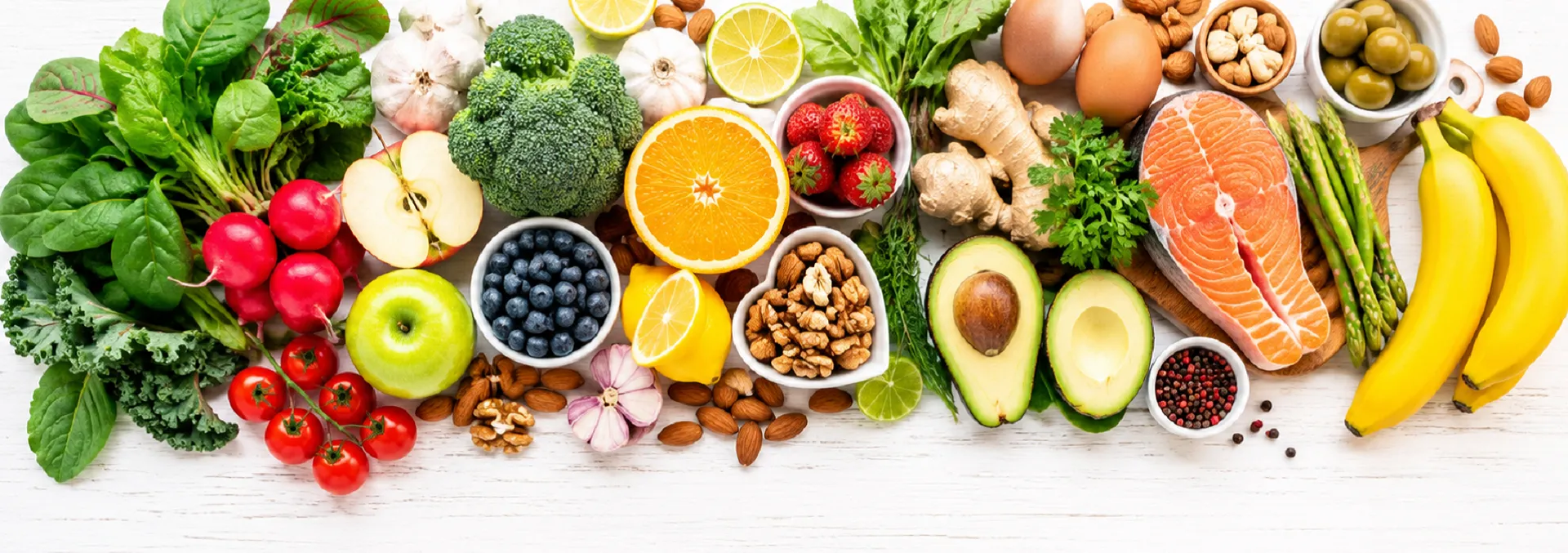
The production of prebiotics begins with the sourcing of raw plant materials that are rich in the desired prebiotic compound. For example:
These raw materials contain naturally occurring fibers and carbohydrates that are key to prebiotic production.
2. Extraction
The next step is extracting the prebiotic compound from the raw plant materials. This is done using various techniques such as water extraction or enzymatic hydrolysis, depending on the type of prebiotic being produced.
Water Extraction: Inulin, for example, is typically extracted from chicory root by first grinding the root and then soaking it in water to dissolve the soluble fiber. The liquid extract is then purified.
Enzymatic Hydrolysis: For certain prebiotics like GOS, enzymes are used to break down lactose or other oligosaccharides into smaller prebiotic oligosaccharides.
The goal of this process is to isolate the prebiotic compound while maintaining its biological activity and stability.
3. Purification and Concentration
After extraction, the prebiotic substance is typically in a dilute form, so the next step is purification and concentration. This is usually done using filtration, centrifugation, and sometimes even chromatography, to remove impurities and increase the concentration of the active prebiotic compound.
Filtration and Centrifugation: These processes help remove large particles, fibers, or residual plant materials, ensuring a clean extract.
Concentration: Depending on the desired form of the prebiotic (e.g., powder, syrup, etc.), the liquid extract may undergo evaporation or spray-drying to concentrate it into a more stable form.
4. Drying and Formulation
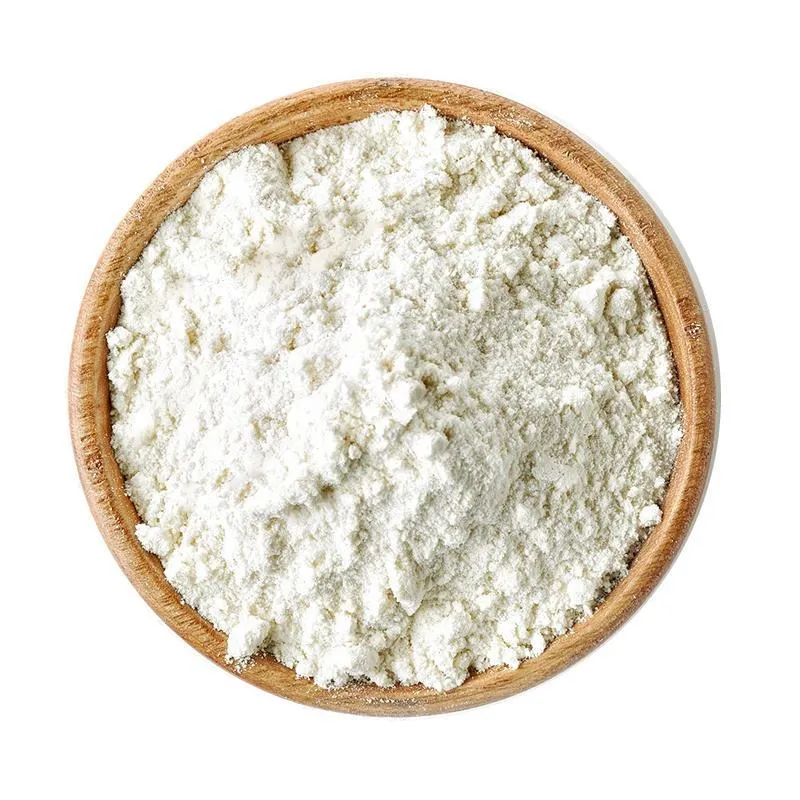
To create a powder form suitable for inclusion in dietary supplements, functional foods, or beverages, the prebiotic extract is often dried. Spray drying or freeze drying are commonly used methods, where the extract is turned into a powder by rapidly evaporating the moisture content.
The dried prebiotic powder is then formulated into the final product. It may be blended with other ingredients such as excipients (e.g., fillers, binders, and stabilizers) or combined with other functional ingredients like probiotics.
Encapsulation: For dietary supplements, the prebiotic powder can be encapsulated in capsules or tablets. This allows for precise dosing and easy consumption.
Functional Food Incorporation: For functional foods or beverages, the prebiotic powder is often incorporated into products like snacks, dairy products, or smoothies, where it can be mixed directly into the food or drink without altering the texture or taste significantly.
5. Quality Control and Testing
Once the prebiotics are manufactured into the final product, they undergo rigorous quality control testing to ensure purity, potency, and safety. This can include:
Microbial Testing: To ensure that the prebiotics are free from harmful microorganisms.
Potency Testing: To confirm that the prebiotics retain their effectiveness and activity.
Stability Testing: To assess how well the prebiotics will perform over time in different storage conditions (temperature, humidity, etc.).
Heavy Metal Testing: To ensure that no contaminants are present in the product.
6. Packaging and Distribution
Once the prebiotic product passes all necessary tests, it is packaged in appropriate containers. The packaging must protect the product from environmental factors like moisture and light, which can degrade the prebiotics potency.
Products are then shipped to retailers or customers, ready to be incorporated into health-focused products such as supplements, functional foods, or beverages.
Standards and Code Compliance
For prebiotic supplements to be sold safely in various markets, they must meet local regulatory standards. Compliance with Good Manufacturing Practices (GMP), as well as relevant dietary supplement regulations in regions like the U.S. (FDA regulations) or Europe (EFSA guidelines), is essential for ensuring product safety and legality.
Labeling Requirements: Products must be correctly labeled with ingredient lists, usage instructions, potential allergens, and other necessary disclosures.
Testing for Safety: Regulatory bodies often require prebiotic products to be tested for safety, efficacy, and quality assurance. Ensuring your prebiotic products are compliant with these standards ensures safety for consumers.
Future Trends in Prebiotics
As demand for prebiotics increases, there will be significant innovations in the delivery formats for prebiotics, improving their bioavailability, stability, and consumer convenience.
Capsules and Softgels: Advances in capsule technology may allow for more precise dosage, improved bioavailability, and longer shelf life for prebiotic supplements.
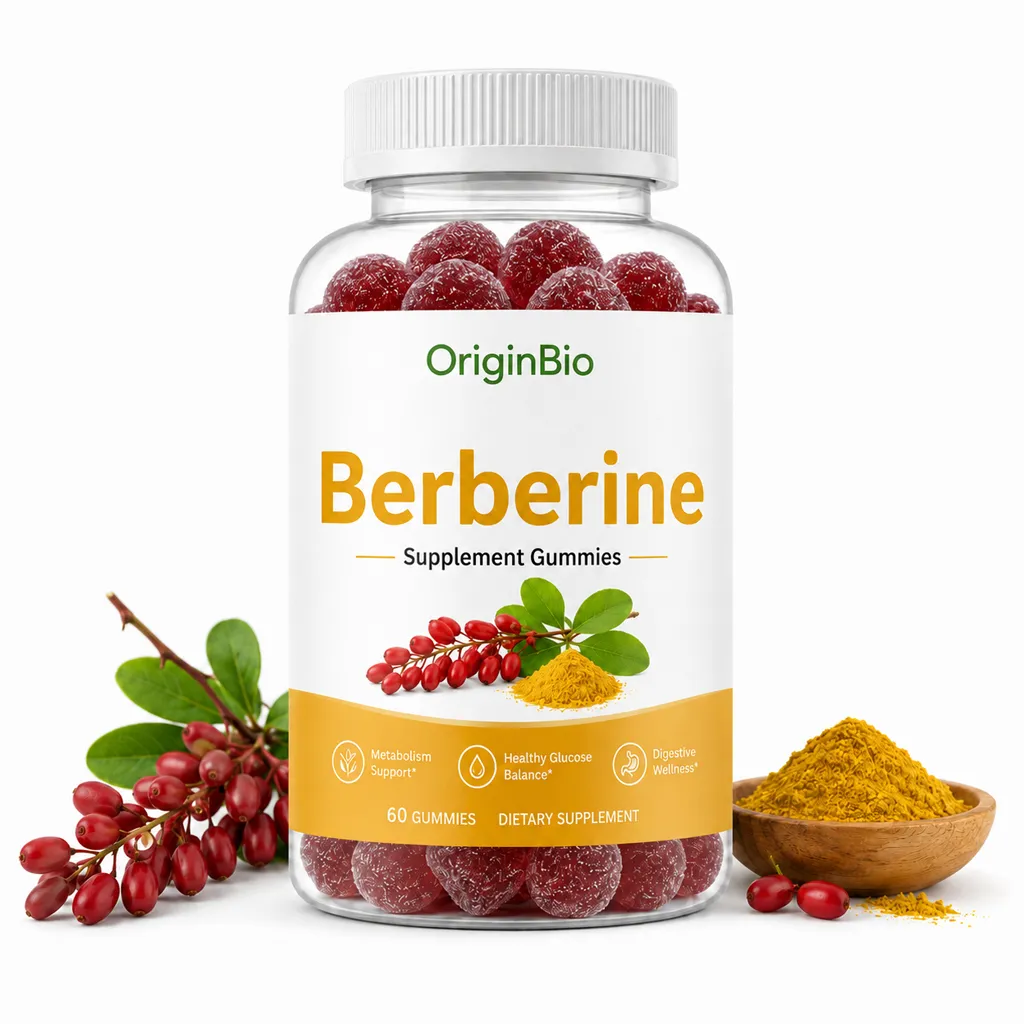
Powder and Gummies: Prebiotic powders and gummies may become more popular due to their convenience and ease of consumption. Expect new formulations with improved taste and texture.
Time-Release Technology: Time-release capsules could be developed to ensure that prebiotics are delivered slowly and continuously to the gut, enhancing their effectiveness.
Choosing the Right Prebiotics Supplement Manufacturers
Private Label Supplements Manufacturers - Build Your Own Brand OriginBio Experienced OEM/ODM Contract Manufacturing Solutions Decide on a form (Protein, capsules, powders) and formulation that aligns with your niche. We provide:
Customized Supplement Development Capsules:
Our current capacity for encapsulation is up to 1 billion capsules. We are flexible on batches sizes from low, medium to large scale.
Powders:
Our v-blender and w-blender supports our tablet and capsule productions as well as supply us with the ready-to-mix beverage powders. Our current configuration can provide us over 3600 tons annually.
Tablets:
Chewable
Colored Coated Tablets
Sugar Coating
HPMC Coating
Imprinted Tablets
Sublingual tablets
Enteric Coating Tablets
Carved Seal Tablets
Our current configuration can produce up to 4 billion tablets per year.
Whether you distribute to health supplement brands, online retailers, or local pharmacies, we provide scalable solutions that grow with your business. Contact us today to request a competitive nutraceutical manufacturing price quote.
Also See
Why Choose OriginBio as Your Contract Manufacturer Probiotic Supplement
OriginBio OEM Private Label Vaginal Probiotic Capsules Supplier Price
Wholesale Bilayer Tablet OEM Private Label Supplement Manufacturers OriginBio
The Benefits of Probiotics: Why Your Business Should Invest in Them
Capsules 00 Vs 0: Which Size Fits Your Supplement Brand
Wholesale Organic Inulin Gelatin MOQ 30,000 Capsule Manufacturer Supplier Price
OriginBio
A reliable one stop nutrition supplement contract manufacturing partner
 EN
EN
 fr
fr  de
de  ru
ru 








 Call us on:
  Email Us:
  Office Add: