Liposomal Glutathione: Bioavailability Research & Formulation Guide
What Is Liposomal Glutathione?
Liposomal glutathione is a delivery format in which glutathione (GSH) is incorporated into phospholipid-based vesicles known as liposomes. Liposomes are microscopic structures formed from phospholipid bilayers. Their membrane-like architecture can create a protective environment around an active ingredient and can influence how that ingredient behaves during gastrointestinal transit.
Glutathione is a naturally occurring tripeptide involved in cellular antioxidant defense and redox balance. In conventional oral formats, formulators must consider its stability during digestion and the efficiency with which an oral dose ultimately contributes to circulating and intracellular glutathione levels. Liposomal delivery is designed to address these formulation challenges by surrounding or associating glutathione with a lipid-based carrier.
How Liposome Structure Supports Nutrient Delivery
Liposomes are typically built from amphiphilic phospholipids. Each phospholipid contains a hydrophilic head and hydrophobic tail. In an aqueous environment, these molecules self-assemble into bilayers, creating vesicles with an aqueous interior and a lipid membrane.
Liposomes can be categorized by vesicle size and number of bilayers, electrical charge, and surface modification. These structural variables influence characteristics such as dispersion, stability, interaction with biological membranes and the behavior of the encapsulated ingredient.
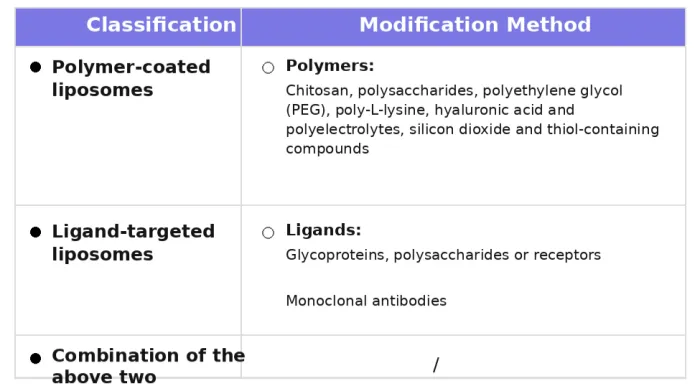
Figure 1. Common liposome modification approaches.
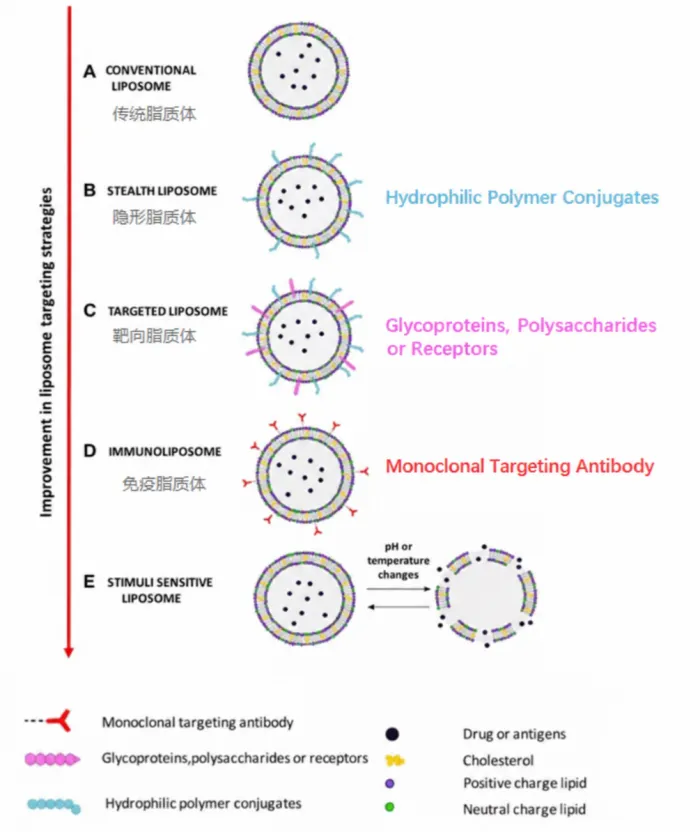
Figure 2. Examples of conventional and surface-modified liposome designs.
Why Use Liposomal Delivery for Glutathione?
The main formulation rationale is protection and delivery. A phospholipid system can help isolate glutathione from part of the gastrointestinal environment and provide a different delivery pathway from standard free-form glutathione. The actual performance of a finished ingredient, however, depends on its lipid composition, glutathione loading, particle characteristics, encapsulation or association efficiency, manufacturing process and storage stability.
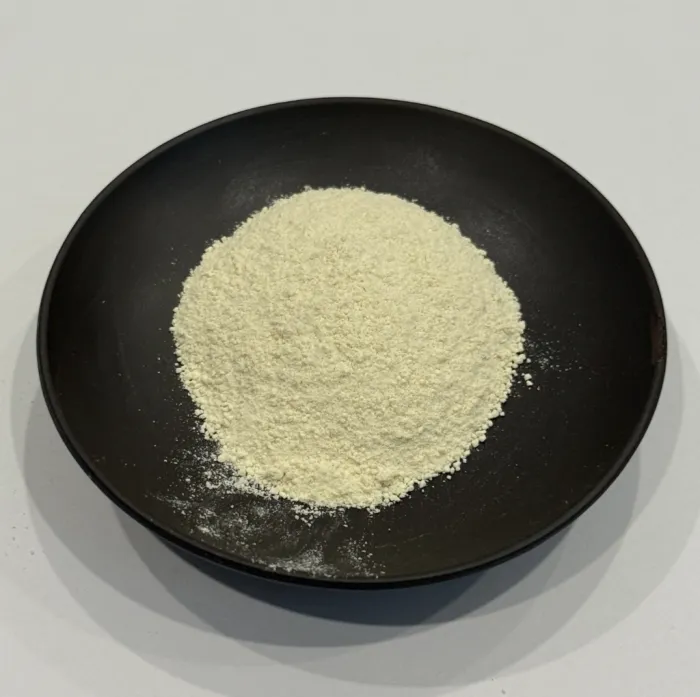
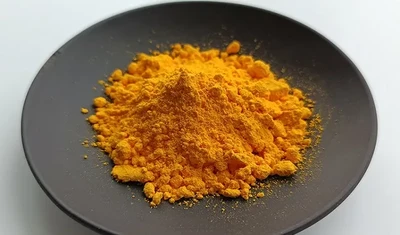
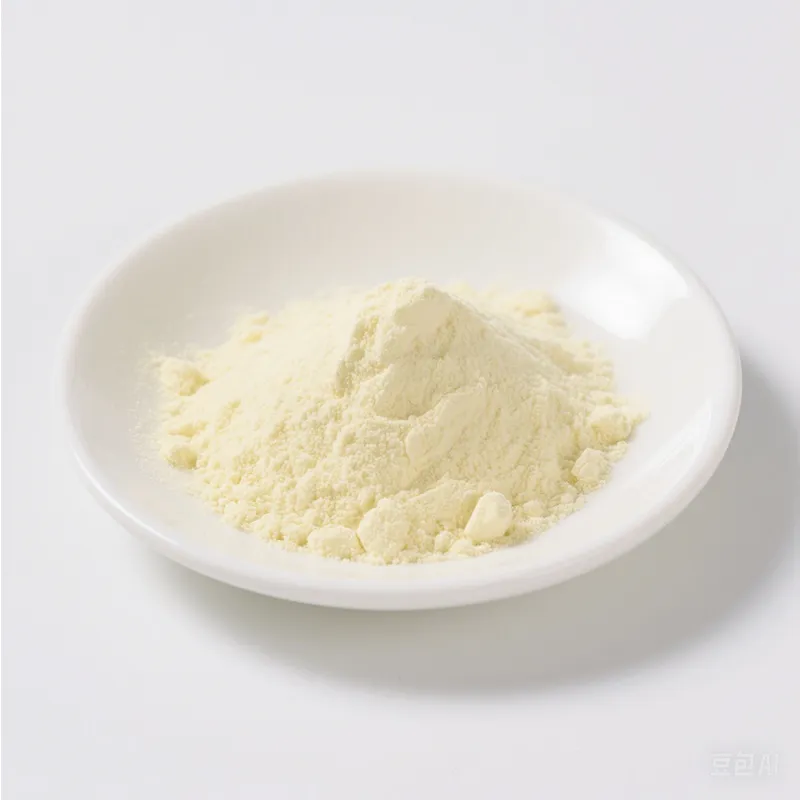
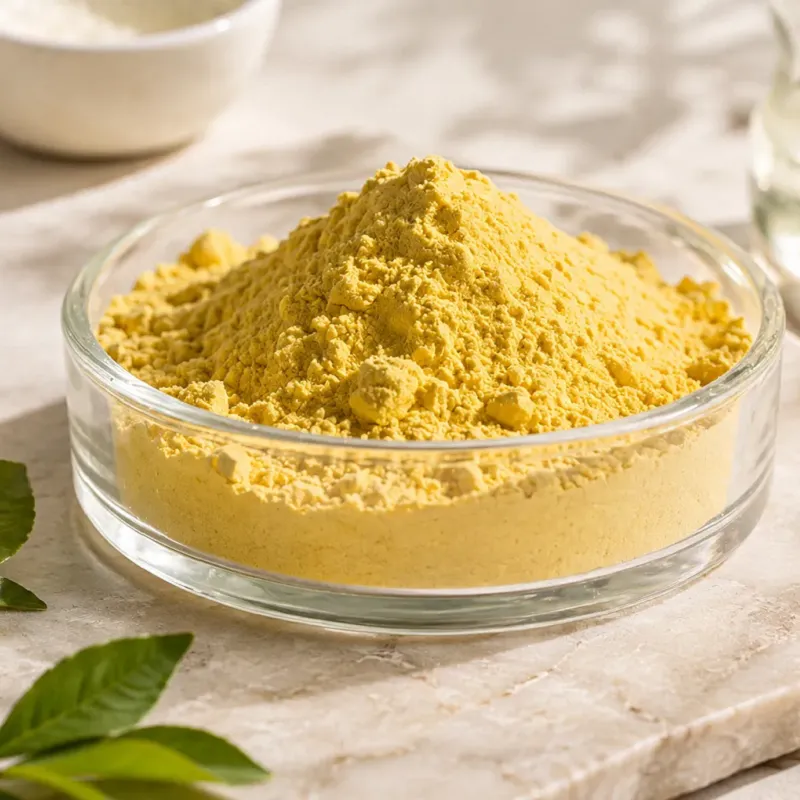
Figure 3. Liposomal glutathione powder.
Liposomal Glutathione vs. Standard Glutathione
Formulation Aspect | Standard Glutathione | Liposomal Glutathione |
Delivery format | Free glutathione in a conventional oral formulation | Glutathione incorporated into a phospholipid-based delivery system |
Formulation complexity | Relatively straightforward | Requires control of lipid composition, processing and vesicle characteristics |
Key analytical focus | Identity, assay, purity and contaminants | Glutathione quality plus lipid-system characterization and stability |
Commercial positioning | Conventional antioxidant supplement | Advanced-delivery / premium antioxidant formulation |
Preclinical Bioavailability Comparison
In the preclinical experiment described in the document, rats received equal doses of standard glutathione or liposomal glutathione by oral gavage. Blood samples were collected before dosing and at 0.5, 1, 2, 4, 8 and 12 hours after administration. Glutathione concentrations were measured by high-performance liquid chromatography, and the concentration-time data were used to calculate AUC0-12h.
The reported AUC0-12h for the liposomal formulation was substantially higher than that of standard glutathione, with an approximately 13-fold increase in calculated bioavailability in this animal experiment. Because this was a preclinical model, the magnitude of the difference should not be assumed to apply directly to humans or to every liposomal glutathione ingredient.
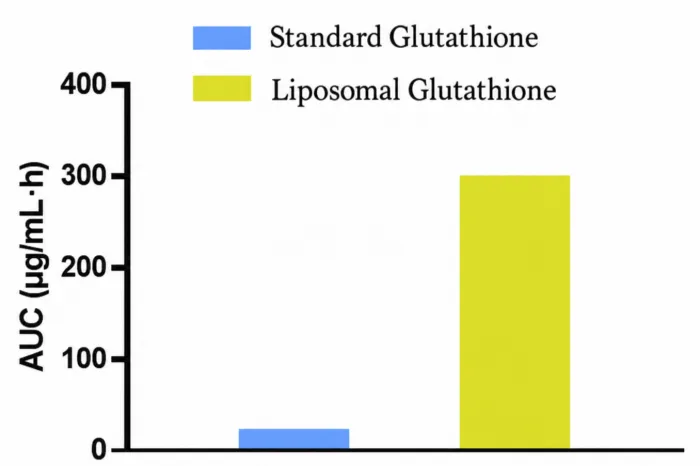
Figure 4. Preclinical comparison of standard glutathione and liposomal glutathione.
Human Study: Oral Liposomal Glutathione and Body Glutathione Stores
A human study published in the European Journal of Clinical Nutrition evaluated daily oral liposomal glutathione and measured glutathione status together with oxidative-stress and immune-function markers. The study reported increases in glutathione levels after supplementation, with the largest reported increases occurring after two weeks.
· Whole blood glutathione: maximum reported increase of 40%.
· Erythrocyte glutathione: maximum reported increase of 25%.
· Plasma glutathione: maximum reported increase of 28%.
· Peripheral blood mononuclear cell (PBMC) glutathione: maximum reported increase of 100%.
The study also reported changes in oxidative-stress biomarkers, including a 35% decrease in plasma 8-isoprostane and a 20% decrease in the oxidized-to-reduced glutathione ratio. Immune-function measurements included increased natural killer cell cytotoxicity and lymphocyte proliferation. The investigators noted that the sample size was small and statistical power for comparisons between dose groups was limited.
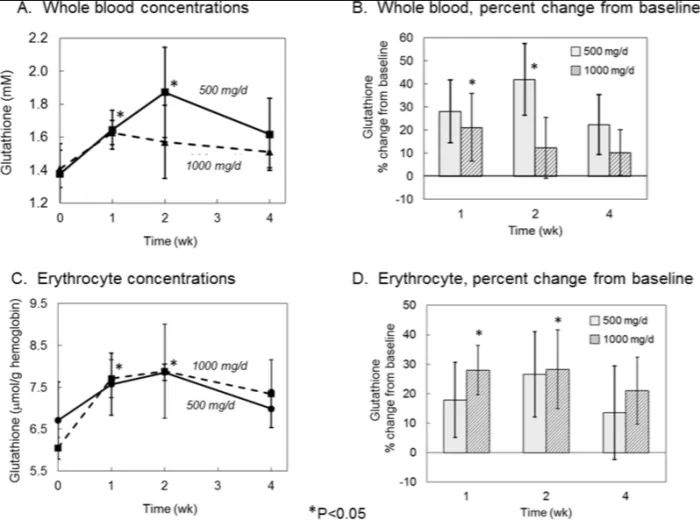
Figure 5. Whole-blood and erythrocyte glutathione measurements over the study period.
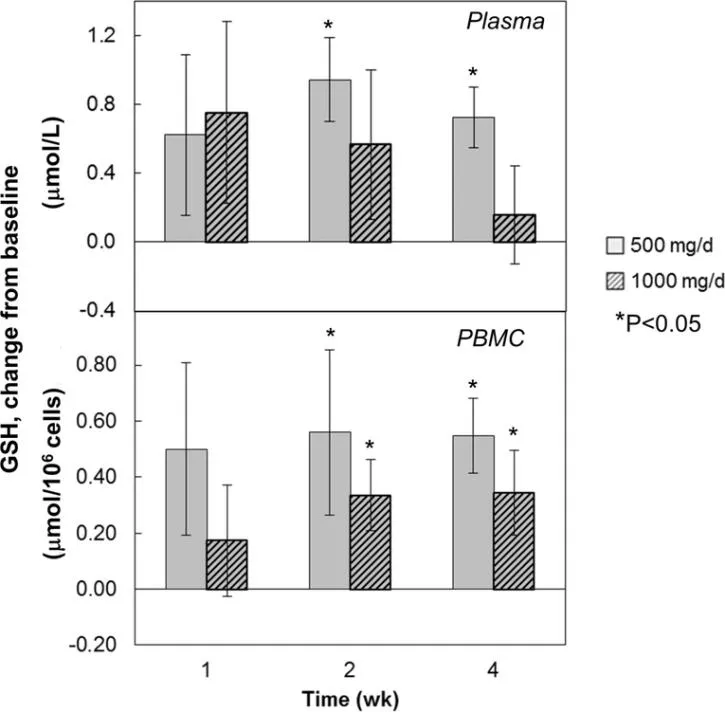
Figure 6. Plasma and PBMC glutathione changes from baseline.
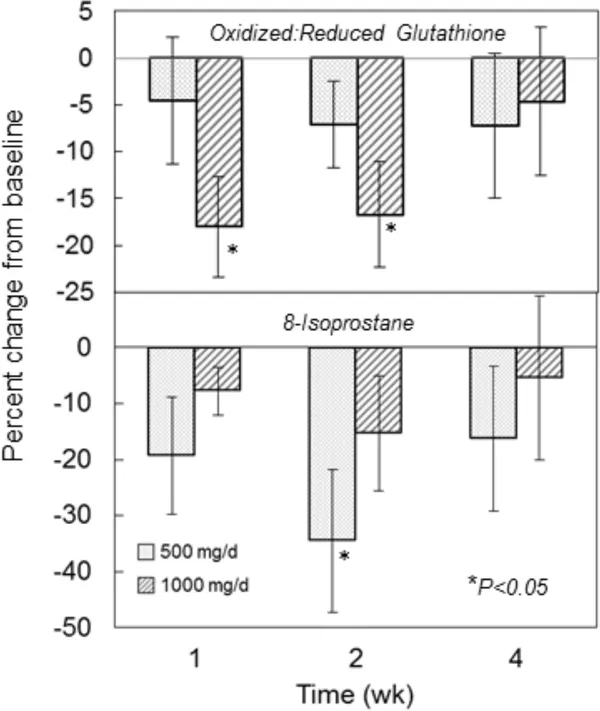
Figure 7. Changes in oxidative-stress markers reported during supplementation.
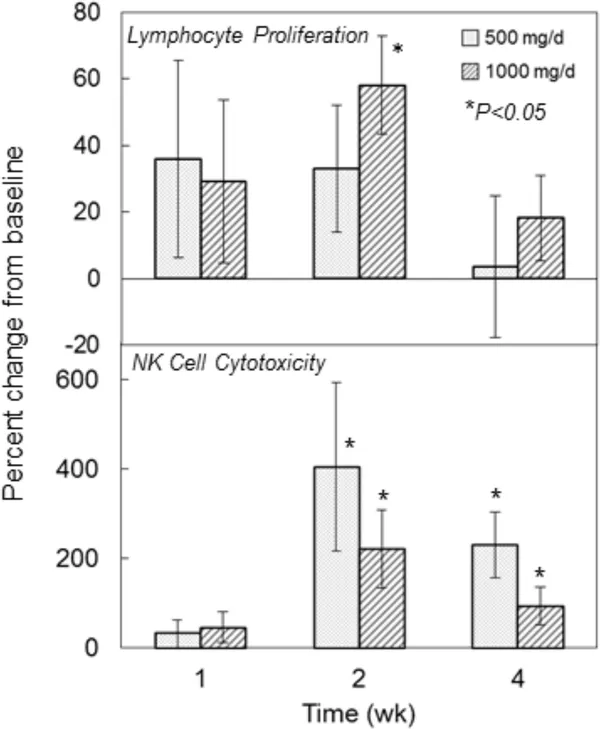
Figure 8. Lymphocyte proliferation and NK-cell cytotoxicity reported during supplementation.
Additional Clinical Research Context
Another clinical investigation evaluated oral liposomal glutathione together with in-vitro everolimus exposure in individuals with type 2 diabetes. The work examined immune responses related to Mycobacterium bovis BCG, including cytokines such as IFN-gamma, TNF-alpha, IL-2 and IL-6, as well as granuloma-associated antimicrobial responses.
After three months of oral liposomal glutathione supplementation, the investigators reported increases in selected T-helper type 1 cytokines and changes in ex-vivo immune-response measures. These findings belong to a disease-specific research setting and should not be used as general consumer health claims for dietary supplements.
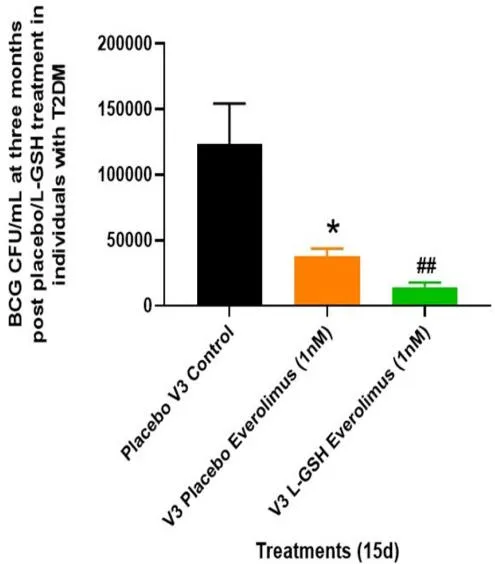
Figure 9. BCG-related ex-vivo response measurement reported in the clinical research.
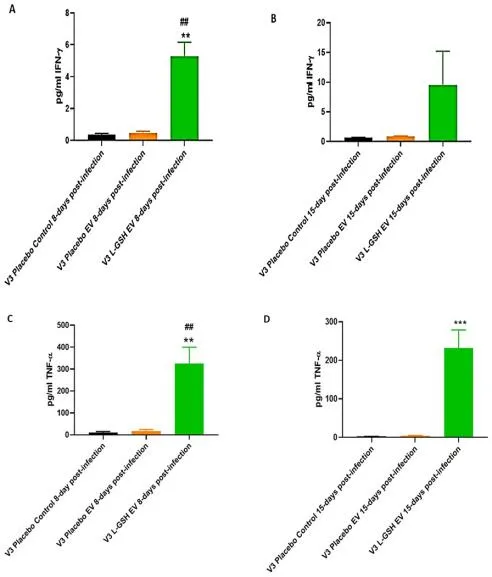
Figure 10. Selected immune-response measurements in the clinical research.
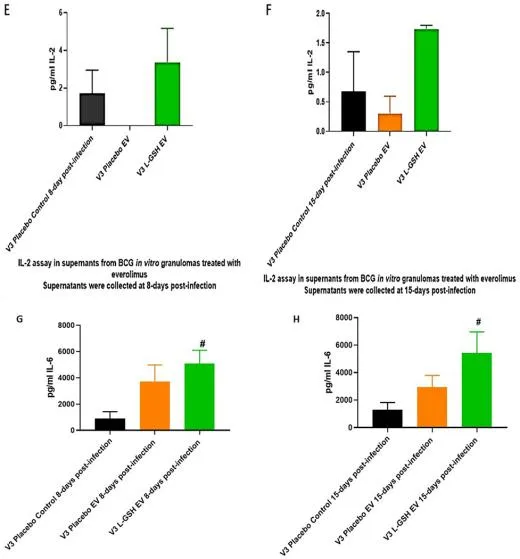
Figure 11. Additional immune-response measurements reported in the study.
What Should Brands Evaluate When Sourcing Liposomal Glutathione?
· Actual glutathione content per gram of the liposomal ingredient.
· Phospholipid identity, origin and concentration.
· Complete carrier and excipient composition.
· Particle-size distribution and the analytical method used.
· PDI and zeta potential where these are relevant to the specific system.
· Encapsulation or association efficiency and the method used to calculate it.
· Stability under the intended storage conditions and in the final dosage form.
· Glutathione assay, purity, microbiological quality and contaminant testing.
· Batch-specific COA and supporting technical documentation.
Formulation Considerations for Capsules and Powders
For finished-product development, the declared weight of a liposomal ingredient is not necessarily the same as the amount of active glutathione delivered. Liposomal powders also contain phospholipids and may contain carriers or processing aids. Active-equivalent glutathione content should therefore be calculated before capsule fill weight or serving size is finalized.
Bulk density, flowability, moisture sensitivity, oxidation control, compatibility with other actives and packaging barrier properties are also important. For capsule formulas, these factors determine whether the target glutathione dose is practical within the selected capsule size.
Frequently Asked Questions
What is liposomal glutathione?
Liposomal glutathione is glutathione incorporated into a phospholipid-based vesicular delivery system designed to protect and deliver the active ingredient differently from conventional free-form glutathione.
Why is liposomal technology used for glutathione?
The formulation objective is to create a protective lipid environment and potentially improve oral delivery. Performance depends on the actual formulation and should be supported by analytical and stability data.
Does liposomal glutathione have human research?
Yes. Human studies have reported increases in blood and cellular glutathione measurements after oral liposomal glutathione supplementation, although study size and formulation differences should be considered when interpreting the results.
Is liposomal glutathione always more bioavailable than standard glutathione?
Not automatically. Bioavailability depends on the specific formulation, lipid composition, particle characteristics, active loading and manufacturing process. Evidence from one formulation should not be generalized to every product.
What specifications should buyers request?
Useful parameters include glutathione assay and purity, phospholipid composition, particle size, encapsulation or association data, stability information, microbiological and contaminant testing, and a batch-specific COA.
Can liposomal glutathione be used in capsules?
Yes, subject to the active-equivalent glutathione dose, total ingredient weight, bulk density, capsule capacity and compatibility with other formula components.
Research References
1. Sinha R, et al. Oral supplementation with liposomal glutathione elevates body stores of glutathione and markers of immune function. European Journal of Clinical Nutrition. PubMed PMID: 28853742.
2. Clinical research evaluating oral liposomal glutathione and in-vitro everolimus in immune responses against Mycobacterium bovis BCG in individuals with type 2 diabetes. PubMed PMID: 33966361.
OriginBio
A reliable one stop nutrition supplement contract manufacturing partner
 EN
EN
 fr
fr  de
de  ru
ru 









 Call us on:
  Email Us:
  Office Add: